When Is the Best Time to Waterproof a Building in Mumbai After the Monsoon?
Your building leaked all through July and August, and now the committee wants to fix it in September. That is the worst time to start.
If you are a housing society secretary or managing committee member in Mumbai, you are probably fielding complaints about damp walls, peeling paint, and ceiling patches right now. The instinct is to call a contractor immediately and get the terrace or walls sealed before the next rain. But here is the truth most contractors will not tell you: the best time to waterproof a building in Mumbai after the monsoon is between October and February, when surfaces are dry enough for materials to bond properly. Starting in September, while walls are still holding moisture, almost guarantees the waterproofing will fail before the next monsoon even arrives.
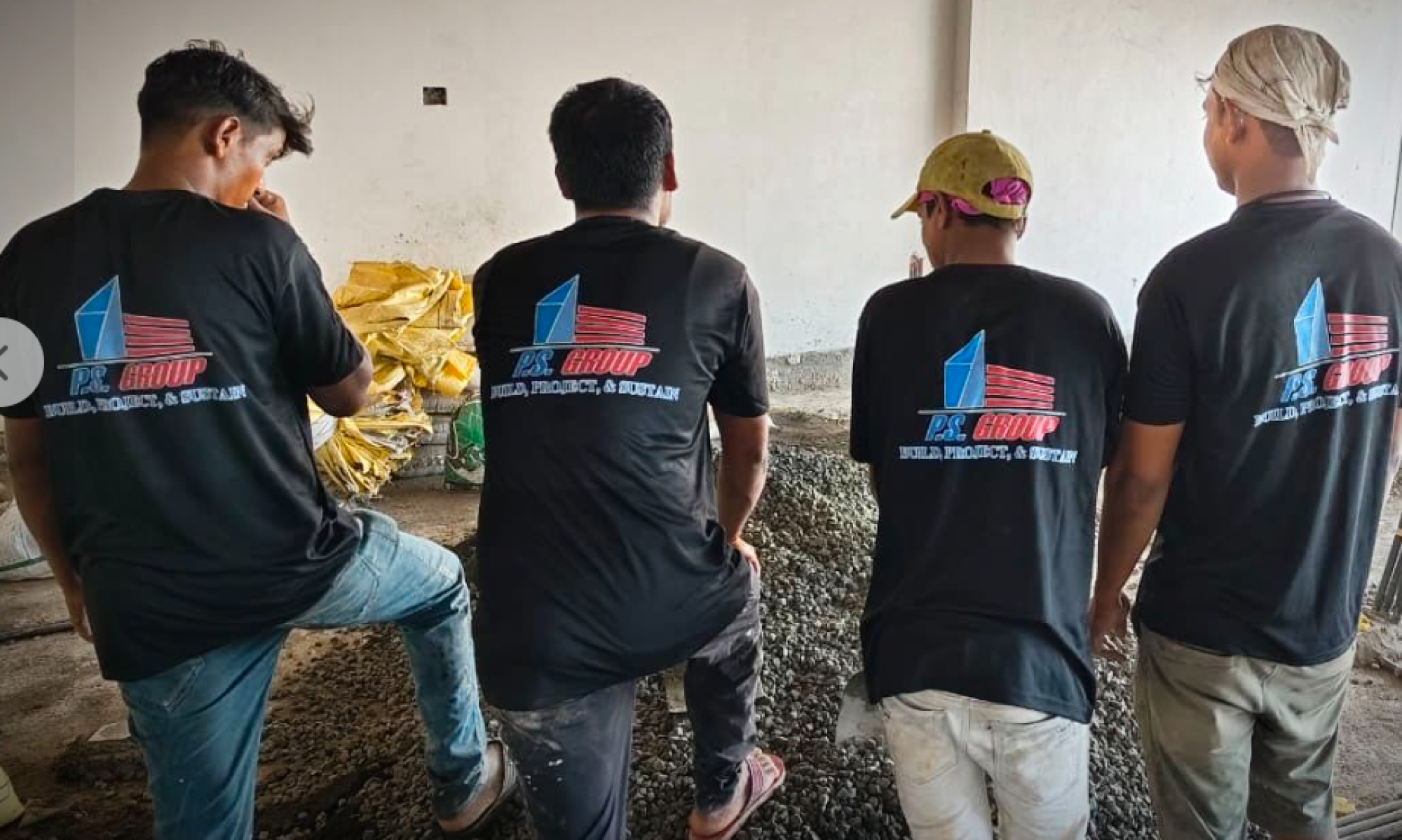
At PS Group (formerly PS Civil), we have been doing waterproofing and civil repairs across Mumbai since 2007, and we have seen the same pattern repeat every year. Societies rush into repairs in September, the work fails by the following June, and the committee ends up paying twice for the same terrace. This guide explains why timing matters so much, what your society should be doing right now in September, and how to plan the actual waterproofing work for the correct window so it lasts for years instead of months.
Why You Cannot Waterproof Effectively During the Monsoon
Waterproofing is not paint. It is a system of membranes, coatings, and sealants that chemically bond to the substrate beneath them. For that bond to form, the surface needs to be clean, dry, and stable. During the Mumbai monsoon, which runs from June through September, none of those conditions exist.
Think about what happens to your terrace slab during three months of continuous rain. The concrete absorbs water. Hairline cracks widen. The surface develops a thin layer of algae and moss. The relative humidity stays above 85% for weeks at a stretch. If you apply a waterproofing membrane on top of that, the membrane sticks to the wet, dirty surface but never truly bonds. The first hot day after the monsoon, trapped moisture inside the slab turns to vapour, pushes outward, and blisters the membrane from below. By the time the next monsoon arrives, water is seeping through again.
This is not a workmanship problem. It is a physics problem. No contractor, no matter how skilled, can make waterproofing materials cure correctly on a wet substrate during high humidity. PS Group has walked away from September repair requests because we know the result will be a callback within six months. The honest answer is: wait for the dry window.
The October to February Window: Why It Works
Mumbai’s monsoon typically withdraws by the third week of September. From October onward, humidity drops, temperatures moderate, and the Arabian Sea breeze loses its moisture load. This creates the ideal conditions for waterproofing application:
- Surface moisture evaporates. Terrace slabs, external walls, and parapet surfaces need 15 to 20 dry days after the last significant rainfall before they are ready for membrane application. A simple test: tape a clear plastic sheet to the surface overnight. If condensation appears underneath in the morning, the slab is still too wet.
- Humidity allows proper curing. Most waterproofing membranes meeting IS 2645 standards require 24 to 72 hours of curing time at moderate humidity. October through February gives you reliable dry spells long enough for full cure.
- Temperature is optimal. Extreme heat (March to May) can cause rapid surface drying that traps moisture beneath. The cooler months give a slower, deeper cure.
- Wind conditions are stable. Application of liquid membranes and grouting compounds is safer and more precise in calm, dry weather.
November and December are the sweet spot. The surface has had 6 to 8 weeks of dry weather, the humidity is consistently low, and you have a comfortable runway before the pre-monsoon heat begins in March. If your society can schedule terrace waterproofing in November, you are giving the system the best possible chance to bond and last.
What Your Society Should Be Doing in September Instead
September is not a wasted month. In fact, it is the most important month in the annual waterproofing cycle, because this is when you do the groundwork that makes the October to February window productive. Here is what your managing committee should be doing right now:
1. Conduct a Full Building Damage Assessment
Walk every floor. Photograph every damp patch, every peeling section of plaster, every crack in the parapet, every stain on the ceiling. Tag each issue with its location, approximate size, and whether it appeared this monsoon or has been recurring for years. Recurring leaks are a red flag. They usually mean previous waterproofing was applied incorrectly or the source was never properly diagnosed. If you have recurring inter-flat leakage, you need leak detection before any waterproofing work begins. Fixing the wrong area is the most expensive mistake a society can make.
2. Document Everything for the AGM
The annual general meeting is where repair budgets get approved. If you walk in with a vague “we need to fix the terrace,” the committee will argue for weeks. If you walk in with a documented building condition report, photographs, and a prioritised list of problem areas, the decision gets made in one meeting. This is also the time to check whether your building has received any BMC notices for structural repairs or unsafe conditions. Ignoring a BMC notice has legal consequences under the Maharashtra Municipal Corporation Act, and the longer you wait, the worse the fines get. If your building has structural cracks or spalling concrete alongside the waterproofing issues, you may need civil repair work done in the same project.
3. Call Contractors for Site Visits in Late September
Do not wait until October to start calling contractors. By October, every building in Mumbai is trying to book the same handful of experienced waterproofing teams, and the good ones get booked up by late November. Call two or three contractors in the last week of September, have them inspect the site, and ask for written scopes of work. Do not accept verbal estimates over the phone. A proper waterproofing quote should include:
- The exact areas to be treated, measured in square feet
- The specific system being proposed (membrane type, number of coats, reinforcement if applicable)
- Surface preparation steps (cleaning, crack filling, hacking if needed)
- Whether a flood test is included before handover
- The warranty period and what it covers
- The materials being used and whether they meet IS 2645 standards
If a contractor gives you a quote without visiting the site, does not specify the system or materials, or cannot explain what surface preparation they will do, cross them off the list. The cheapest quote is almost always the most expensive mistake in the long run, because you will be redoing the work in two years instead of getting five to seven years of protection.
4. Check Your AMC Renewal Status
If your society has an annual maintenance contract for waterproofing or building upkeep, September is when you should review it. Check what was covered last year, what work was actually done, and whether the recurring problems you are documenting now were supposed to be handled under the AMC. If the AMC is expiring soon, this is the time to renegotiate terms or switch providers. Do not wait for the contract to lapse and then scramble in November.
Why Diagnosis Must Come Before Waterproofing
This is the step most societies skip, and it is the single biggest reason waterproofing fails. You see a damp patch on your bedroom wall and assume it is coming from the terrace. You waterproof the terrace. The damp patch returns next monsoon. Why? Because the actual source was a concealed plumbing leak inside the wall, or seepage from the external wall joint, not the terrace at all.
Before you spend a rupee on waterproofing, you need to know exactly where the water is entering. At PS Group, we use thermal imaging and moisture mapping to trace water ingress to its source without breaking a single tile. This is what our PS Leak Detect division does. A proper diagnosis takes a few hours and costs a fraction of what a failed waterproofing job costs. It tells you whether you need terrace waterproofing, bathroom sealing, external wall treatment, or plumbing repair. Sometimes the answer is all four, but you need to know before you sign a contract.
September is the perfect time to schedule this diagnosis. The leaks are still active, which makes thermal imaging more accurate. By the time the surface dries out in October, the thermal signature fades and detection becomes harder. So use September to find the problem, October to February to fix it.
The Full Annual Waterproofing Calendar for Mumbai Societies
Here is how your society should think about waterproofing across the year:
- January to March: Execute waterproofing and civil repairs during the dry window. Schedule flood tests and quality checks before handover.
- April to May: Pre-monsoon inspection. Check terrace slopes, clean drain outlets, inspect parapet joints, and apply temporary sealants if needed. This is high urgency as the monsoon approaches.
- June to August: Emergency response phase. Patch repairs only. Document all new leaks and damage. Do not attempt major waterproofing during active monsoon.
- September: Transition month. Full building assessment, leak diagnosis, contractor site visits, AMC review, AGM preparation.
- October to December: Primary waterproofing and civil repair window. Execute permanent solutions while conditions are optimal.
Following this calendar means you are always one step ahead of the monsoon instead of reacting to it. The societies that plan this way spend less on repairs over five years than societies that do emergency fixes every August.
Common Mistakes Societies Make in September
Before we wrap up, here are the mistakes we see most often when committees try to rush repairs in September:
- Applying waterproofing on wet surfaces. The membrane looks fine for a month, then blisters and peels. You have wasted the entire budget.
- Skipping diagnosis. The committee assumes the source of the leak and directs the contractor to fix that area. The leak comes back because the real source was elsewhere.
- Choosing the lowest quote without checking scope. A quote that is 40% cheaper than others usually skips surface preparation, uses inferior materials, or excludes the flood test. You pay for it in failed work within two years.
- Not documenting damage while it is visible. Once the walls dry in October, the evidence of this monsoon’s damage fades. Photograph everything now while the stains, cracks, and damp patches are clearly visible.
- Waiting until October to call contractors. By then, the booking rush has started and you may not get your preferred contractor until December, cutting your dry window short.
What to Do Right Now
If your building leaked this monsoon, do not panic and do not rush. Here is your September action plan:
- Walk the building and photograph every sign of water damage
- Call a professional leak detection team to diagnose the sources while leaks are still active
- Invite two or three waterproofing contractors for site visits in the last week of September
- Prepare a building condition report for your next AGM with prioritised repair areas
- Schedule the actual waterproofing work for October to February, not before
PS Group has been helping Mumbai housing societies with waterproofing, leak detection, civil repairs, and interior design since 2007. We handle the full building lifecycle, which means we can diagnose the problem, repair the structure, and waterproof the surface as one coordinated project instead of three separate contractor headaches.
You can see some of our completed society projects in our gallery, or check out our YouTube channel for videos explaining common waterproofing and civil repair problems and how we solve them.
Ready to get your building assessed before the dry window opens? Contact PS Group for a site visit, or send us a message directly on WhatsApp. We will inspect your building, diagnose the real sources of leakage, and give you a written scope of work so your committee can plan with confidence.
#WaterproofingMumbai #MumbaiMonsoon #PostMonsoonRepair #BuildingMaintenance #HousingSocietyMumbai #TerraceWaterproofing #MonsoonPrep #Waterproofing #LeakageSolution #SeepageSolution #CooperativeSociety #FlatOwnerMumbai #PSGroup #PSWaterproofing #PSLeakDetect #PSCivil #MumbaiHousingSociety #AMCRenewal #BuildingRepair #AnnualMaintenance

