Why Large Mumbai Developers Are Bringing in Specialist Waterproofing Subcontractors Instead of Relying on Main Contractors

# Why Large Mumbai Developers Are Bringing in Specialist Waterproofing Subcontractors Instead of Relying on Main Contractors

Main contractors are not waterproofing specialists — and large Mumbai developers are finally figuring that out.

For decades, developers managed waterproofing the old way: give it to the main contractor, who gives it to a sub, who cuts every corner to hit the deadline and margin. The result? Buildings leak within 18 months. Residents blame the developer. Warranty claims pile up. Structural damage spirals.

But something has shifted in Mumbai’s construction market over the last 2-3 years. Developers — especially the larger ones building 100+ unit complexes in Central Mumbai, Bandra, Powai, and the Western Suburbs — are now bringing in **specialist waterproofing and civil contractors as direct subcontractors**, bypassing the main contractor’s supply chain entirely.

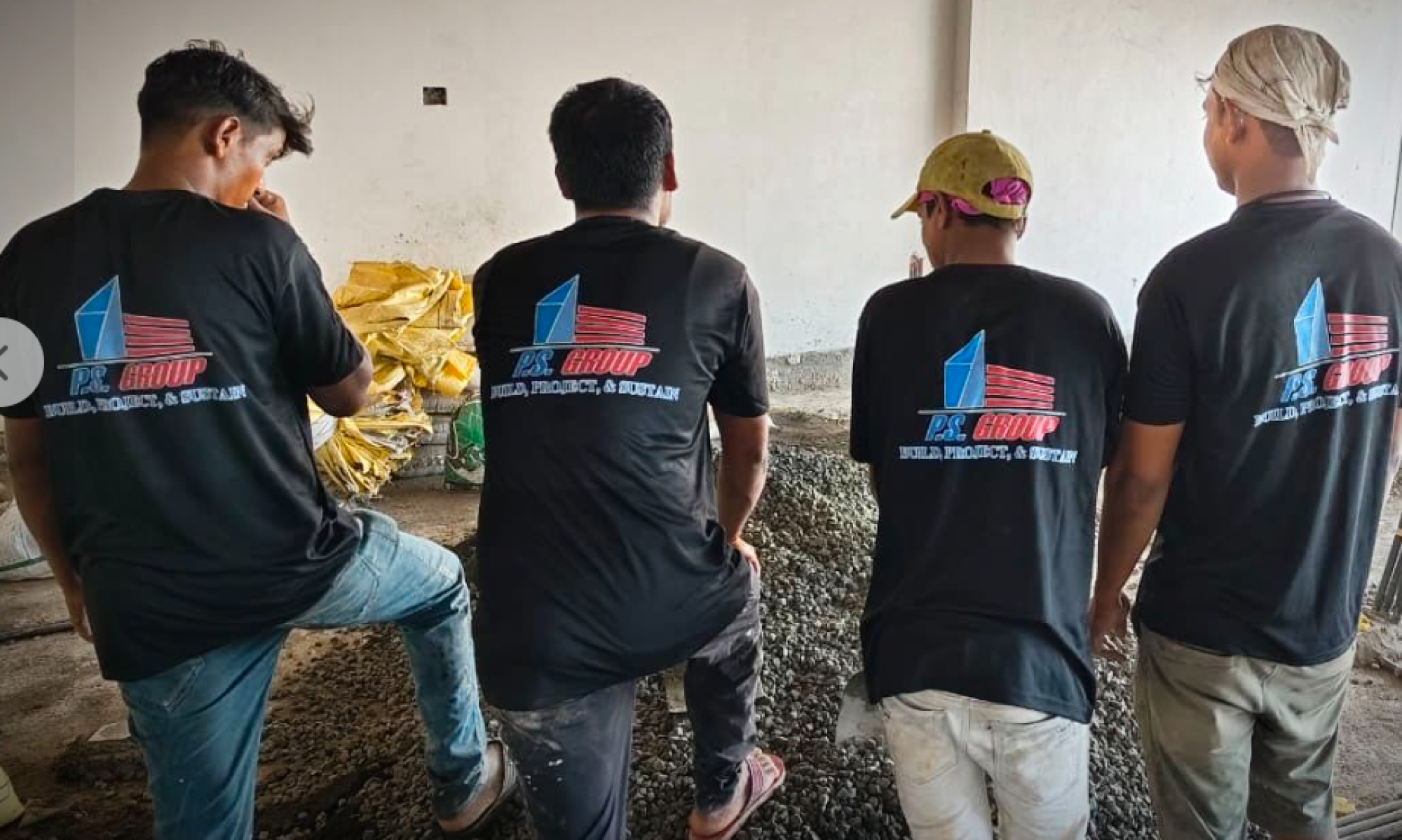
PS Group (formerly PS Civil) has seen this demand spike dramatically. We’re now being called in at design stage, not as damage control three years post-handover.

Here’s why this shift is happening.

## The Main Contractor Problem

A main contractor’s profit margin depends on managing costs, not on waterproofing excellence. Their incentive is to:
– Source the cheapest waterproofing provider
– Compress timelines to save labour
– Rely on low-cost materials that meet bare minimum specifications
– Treat waterproofing as just another line item, not a critical building system

The result is predictable: the waterproofing fails. By then, the developer has handed over the building and the warranty is expiring. The resident fights a two-year legal battle and eventually settles.

For a developer building 150 flats, that’s 150 potential warranty disputes. That’s brand damage. That’s negative reviews on property portals. That’s repeat buyers choosing a competitor.

## Why Developers Are Changing Strategy

**RERA changed the game.** Under Maharashtra RERA Act, developers carry liability for structural defects for five years post-handover. Waterproofing failures are now tracked, documented, and subject to warranty claims — and developers know the main contractor will disappear if things go wrong.

**Buyer expectations have risen.** Mumbai flat buyers are now online-savvy. They read reviews. They ask previous residents about leakage. A society with a reputation for water seepage becomes impossible to sell. Developers know this.

**Monsoon damages are expensive.** One severe monsoon in a poorly waterproofed building can trigger Rs 50 lakh to Rs 1 crore in emergency repairs across the society. That’s liability exposure that no developer wants.

So larger developers are now taking direct control: they’re hiring **specialists like PS Group** to own the waterproofing specification, material selection, execution, and testing — independent of the main contractor’s cost-cutting pressures.

## How Specialist Subcontractors Work Differently

A specialist waterproofing subcontractor reports directly to the developer (or their consultant), not through the main contractor’s hierarchy. That changes everything:

**Independent material selection** — We specify materials based on Mumbai’s climate (Arabian Sea salt air, 2500mm+ annual rainfall, temperature swings, humidity), not on cost. That means IS 2645-compliant membranes, proper sealants, and flood testing — not shortcuts.

**Dedicated supervision** — Our teams stay on site for the duration of the waterproofing phase. We’re not juggling 10 other projects. Our reputation is tied directly to that building’s performance.

**Liability alignment** — When a specialist fails, the developer can pursue warranties, performance guarantees, and direct claims. No middleman to disappear. That accountability works.

**Cross-functional integration** — We now work with architects and structural engineers from design stage. We identify vulnerable zones (parapets, terraces, balconies, planter boxes, expansion joints) before the concrete is poured. Prevention beats cure by a factor of 10.

## The B2B Shift

This trend is creating a new B2B market in Mumbai. Developers, PMCs (Project Management Consultants), and architects are now actively sourcing:
– Specialist waterproofing contractors
– Specialist civil repair firms
– Specialist leak detection engineers
– Independent structural consultants

These specialists are no longer fighting for crumbs in the main contractor’s supply chain. They’re getting direct mandates with real budgets and real accountability.

For a developer building 200 flats across three phases, bringing in a specialist waterproofing firm early can save Rs 2-5 crore in warranty claims, reputation damage, and emergency repairs later. The math is simple.

## What This Means for Your Society or Project

If you’re a PMC, architect, or developer in Mumbai building anything taller than three storeys, consider the specialist subcontractor model. Don’t assume your main contractor will manage waterproofing correctly. They won’t — their incentives don’t align with yours.

**Interview waterproofing specialists early.** Ask about their experience with Mumbai’s monsoon, their testing protocols, and their warranty. Ask for references from buildings handed over 3+ years ago. Call those residents and ask: did it leak?

For **housing societies in Central Mumbai or high-rainfall zones**, if you’re planning a major structural repair or waterproofing overhaul post-monsoon, bring in a specialist. Don’t let your main contractor delegate this. You’ll save time, money, and five years of leakage nightmares.

PS Group (formerly PS Civil) works with developers, PMCs, and architects across Mumbai on this model. We’ve moved from being a reactive “call us when it’s broken” service to being a proactive design-phase partner.

If you’re planning a building project and waterproofing is on your checklist — or if you’re dealing with a post-monsoon repair crisis — reach out. We’ll give you the specialist perspective that main contractors can’t.

**[CTA]**
**Ready to avoid the Rs 2 crore waterproofing disaster?** Talk to PS Group about integrating specialist waterproofing expertise into your next project.

Call **+91 97684 16600** or WhatsApp us here: https://wa.me/919768416600

For smaller societies, check our **[PS Civil service page](https://pscivil.com/index.php?page=civil)** for guidance on managing major repairs without main contractor middlemen.

**Follow PS Group for more insights into Mumbai building challenges:**
– **YouTube:** https://www.youtube.com/@the_psgroup
– **LinkedIn (Sanjay Parmar, Founder):** https://www.linkedin.com/in/sanjay-parmar-998515229/
– **Instagram:** https://www.instagram.com/p__s__civil__/
– **Facebook:** https://www.facebook.com/pscivilwork/

—

**#PSGroup #PSCivil #WaterproofingMumbai #DeveloperCollaboration #SpecialistContractors #MumbaiConstruction #CivilRepair #CivilContractors #DevelopersMumbai #BuildingMaintenance #StructuralRepair #MumbaiDevelopers #HousingMumbai #ProjectManagementConsultant #ArchitectMumbai #ConstructionMumbai #WaterproofingContractor #LeakageRepair #MumbaiMonsoon #B2BConstruction #BuildingSolutions #CivilEngineering #MumbaiBuildings #CooperativeSociety #HousingSocietyMumbai**

RCC Repair vs Patch and Paint: Why Mumbai Building Committees Keep Paying Twice

Your building’s concrete columns or beams are spalling — the surface is crumbling and rebar is showing. Your contractor quotes you two options: patch it and paint it, or do proper RCC repair.

The patch option is cheaper. Most Mumbai society committees choose it. Then, 18 months later, the patch is cracking again and they are back to square one, having spent twice.

Here is why patches fail, and what proper RCC repair actually requires.

What Is Spalling and Why It Happens

Spalling is the breakdown of the concrete surface layer. The concrete is crumbling away in flakes or chunks, exposing the reinforcement steel (rebar) beneath.

In Mumbai buildings, spalling happens because of three overlapping causes:

**Rebar corrosion.** Water and chlorides (from sea air) reach the steel and trigger oxidation. As steel rusts, it expands — about 3–4 times the original volume. This expansion pressure forces the surrounding concrete to crack and spall away.

**Carbonation of the concrete.** Over 15+ years, atmospheric CO₂ penetrates the concrete surface and reacts with the calcium hydroxide binder, reducing the concrete’s alkalinity and its ability to protect rebar. This process accelerates in the warm, humid Mumbai climate.

**Freeze-thaw cycles and salt crystallisation.** While Mumbai does not freeze, the coastal salt-laden air creates a similar effect. Chloride crystals form inside the concrete pores and expand, fragmenting the surface layer.

Once spalling starts, it accelerates. Exposed rebar corrodes faster because it has direct contact with water and air. The corrosion pushes more concrete away. Within 2–3 years, a small spalled area can double in size.

Why “Patch and Paint” Always Fails

A patch-and-paint repair involves:
1. Hacking away the loose spalling concrete
2. Applying a new thin layer of cement plaster over the exposed rebar
3. Painting it

This approach fails because it does not address the root cause — the corroding rebar.

When you patch over corroding rebar without treating it first, the corrosion continues underneath the new plaster. The rebar expands further. The patch fractures and falls away. You are back where you started.

Additionally, the new plaster patch and the surrounding old concrete have different thermal expansion rates. In Mumbai’s daily heat cycles — cool mornings warming to 35°C+ afternoons — the patch and the substrate expand at different rates, creating stress at the boundary. Hairline cracks develop at the patch edge within weeks.

Within 18 months, the patch is cracking, and the committee is calling contractors again. This time, the cost is higher because the deterioration has progressed further.

A patch is not a repair. It is a temporary cover that costs the full repair cost upfront and guarantees you will pay again.

What Proper RCC Repair Requires

Structural RCC repair means treating the corroded rebar, repairing the concrete loss, and restoring structural strength. The sequence matters:

**Step 1: Remove all deteriorated concrete.** This means hacking away not just the visibly spalled material, but all concrete that is not structurally sound. A structural engineer determines the extent — sometimes this is deeper than it appears.

**Step 2: Clean and treat the exposed rebar.** The steel must be cleaned down to bare metal using wire brushing or light sandblasting. Once clean, a rebar passivation product is applied. This product seals the steel surface and re-establishes the electrochemical barrier that prevents future corrosion.

**Step 3: Apply concrete repair mortar.** Using polymer-modified concrete repair mortar (not ordinary cement plaster), the cavity is filled in layers with proper compaction and curing between layers. Repair mortar has higher bond strength and lower permeability than ordinary plaster.

**Step 4: Apply a protective coating.** Once the repair mortar cures, a waterproof elastomeric coating is applied over the repair and surrounding area. This is the critical step that prevents water re-entry.

**Step 5: Structural monitoring.** For significant repairs on load-bearing elements, deflection or stress monitoring may be specified by the structural engineer to ensure the repaired element performs as intended.

This entire process takes 4–6 weeks for proper curing between steps. It cannot be rushed.

The Cost Difference — And Why It Matters

A patch-and-paint job looks cheaper on the quotation. It is faster and uses cheaper materials.

A proper RCC repair costs more upfront because:
– Skilled labour is required (not general painters)
– Structural assessment is included
– Rebar treatment products are costly but essential
– Polymer-modified repair mortars are more expensive than cement plaster
– Protective coatings add to the cost
– Proper curing time delays the project

But here is the maths that Mumbai committees miss:

If a patch costs Rs X and fails in 18 months, and a proper repair costs 1.5X and lasts 15+ years, the patch actually costs **10 times more per year of service life**.

Patch now = pay again in 1.5 years = pay again in another 1.5 years = pay three times over 4.5 years.

Proper repair now = not paying again for 15 years.

How Society Committees Should Approach RCC Repair

When spalling is identified on a load-bearing structural element (columns, beams, slabs), the managing committee should:

**One — Commission a structural engineer’s assessment.** Not a contractor’s opinion — a structural engineer. The assessment determines the extent of repair needed and whether the structural integrity of the element is compromised.

**Two — Get the structural engineer’s repair specification.** Do not ask contractors to decide what repair method to use. The engineer specifies it. Contractors then quote against that specification.

**Three — Obtain multiple quotations against the engineer’s specification.** Comparing quotes on the same clearly defined scope prevents the “cheaper option” trap. All contractors are using the same materials and method, so the quotes are genuinely comparable.

**Four — Pass a general body resolution.** Structural repairs often exceed committee authority limits. A resolution in a general body meeting ensures member approval and transparency.

**Five — Include monitoring and warranty.** Require the contractor to provide a 5+ year warranty on the repair, and specify that deflection or corrosion monitoring will be done post-repair to confirm the structure is performing as designed.

Watch PS Group’s RCC repair work across Mumbai housing societies on the PS Group YouTube channel. See completed structural repair projects in the PS Group gallery.

For a structural assessment of spalling concrete anywhere in Mumbai or MMR, contact PS Group — PS Civil division. Call +91 97684 16600 or WhatsApp for a site visit. Connect with Sanjay Parmar on LinkedIn for larger project collaborations. For waterproofing that works alongside structural repair, see pscivil.com/waterproofing.

#RCCRepairMumbai #StructuralRepairMumbai #SpallingConcrete #HousingSocietyMumbai #BuildingMaintenance #PSGroup #PSCivil #ConcreteDamage #MumbaiBuilding #CooperativeSociety #ManagingCommitteeMumbai #StructuralDamage #PreMonsoon #PostMonsoon #BuildingRepair #PSGroupMumbai #PSCivilMumbai #StructuralEngineer #WaterproofingMumbai #CivilRepair

Create your own website, free on WordPress.com.Create your own website.
Start free