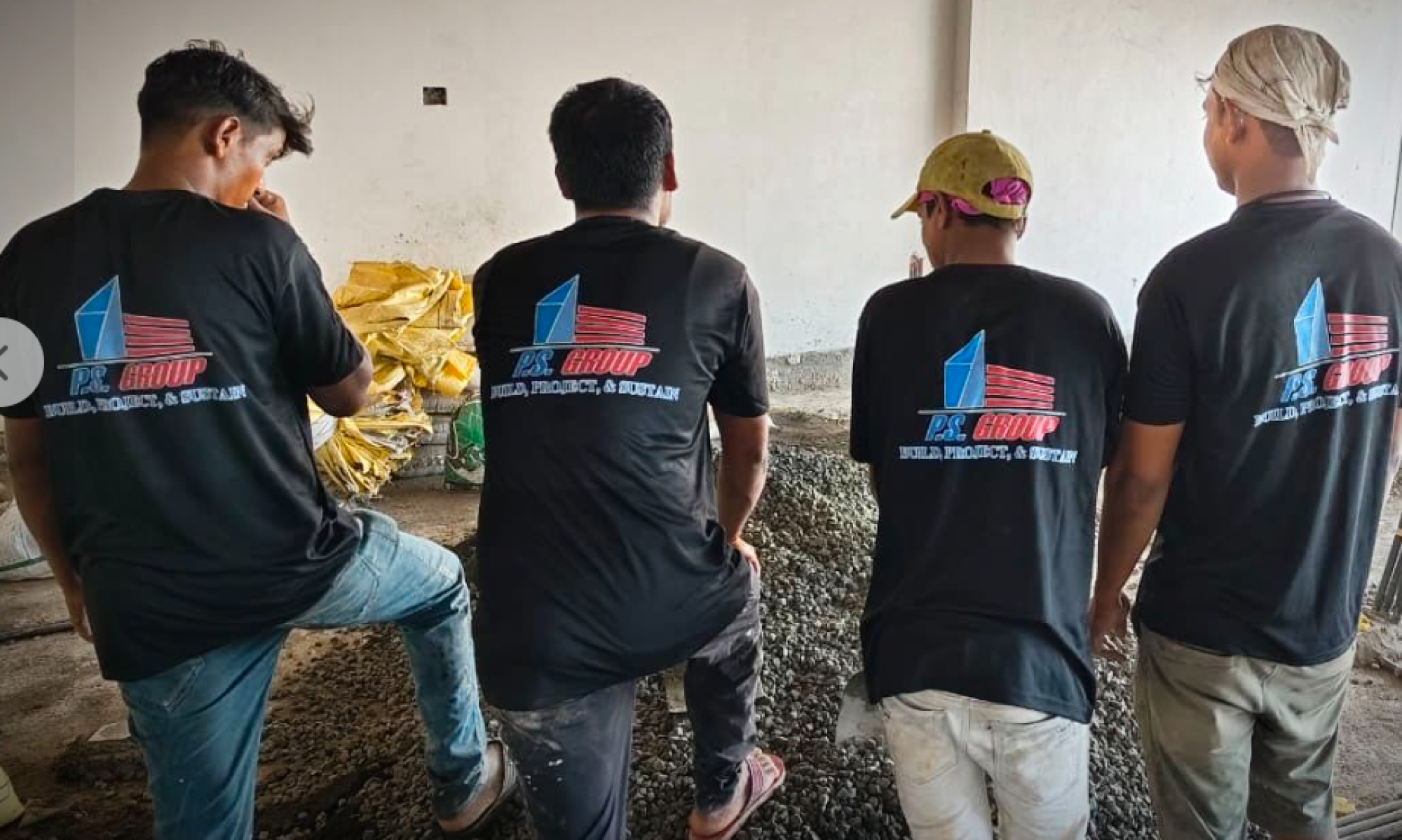
What Does Peeling External Plaster on a Mumbai Building Mean Before It Becomes a Safety Risk?

A patch of plaster just fell off your building’s external wall and landed on the pavement below. That is not a cosmetic issue. It is a warning.

If you sit on a managing committee in Mumbai, you have probably seen this happen during or right after the monsoon. External plaster starts cracking, bulging, or falling in chunks from higher floors. Most societies repaint over it or patch it with local masonry work. But peeling external plaster on a Mumbai building can mean anything from simple surface aging to serious structural debonding, and ignoring the difference can lead to injuries, BMC notices, or worse.

What Causes External Plaster to Peel on Mumbai Buildings

Mumbai’s coastal climate is brutal on external walls. The Arabian Sea salt air, heavy monsoon downpours, and temperature swings between wet and dry seasons all stress the plaster layer constantly.

The most common causes include:

  1. Water seepage behind the plaster layer. Rain enters through hairline cracks on the facade, travels behind the plaster, and breaks the bond between the plaster and the brick or RCC substrate underneath. Once that bond fails, the plaster has nothing holding it to the wall except gravity, and eventually it falls.
  2. Poor workmanship during original construction. If the surface was not properly cleaned, wetted, or roughened before plastering, or if the cement-to-sand ratio was off, the plaster never bonded well to begin with. Five to ten years of monsoon exposure exposes this weakness fast.
  3. Thermal expansion and contraction. Mumbai buildings heat up during the day and cool at night. Over years, this constant expansion and contraction creates stress cracks that let water in, accelerating debonding.
  4. Corrosion of internal reinforcement. This is the most dangerous cause. If water reaches the steel reinforcement bars inside RCC columns or beams, the steel rusts, expands, and pushes the concrete and plaster outward. What looks like plaster peeling could actually be spalling concrete, which is a structural problem, not just a surface one.

Peeling External Plaster: Cosmetic Issue or Safety Risk?

Not all peeling plaster is dangerous, but you need to know how to tell the difference. Here is what to look for when your society’s managing committee inspects the facade:

Cosmetic peeling usually involves thin layers of paint and surface plaster flaking off. The underlying plaster is still firmly bonded to the wall. There are no hollow sounds when you tap the area. This can be addressed with surface preparation and repainting during the next society maintenance cycle.

Structural debonding is different. Tap the wall near the peeling area with a small hammer or the handle of a screwdriver. If you hear a hollow, drummy sound, the plaster has separated from the substrate and could fall at any time. Look for rust stains running down the wall, cracks wider than 2 millimetres, or bulging areas where the plaster is pushing outward. These are signs that water has penetrated deep into the structure and the problem goes beyond the surface layer.

If you can see exposed steel bars or deep spalling where concrete has fallen away from columns or beams, that is a serious structural issue. Your society needs to barricade the area below immediately and call a professional civil repair contractor before someone gets hurt.

What a Mumbai Society Should Do Right Now

If your building has peeling external plaster, here are the steps your managing committee should take:

  1. Barricade the area below. Put safety netting or barriers around any zone where plaster has fallen or looks like it could fall. This protects residents, visitors, and passers-by. A chunk of plaster falling from the 7th floor of a Mumbai building can cause serious injury or worse.
  2. Do a full facade inspection. Walk around the building and photograph every area where plaster is cracked, bulging, damp, or missing. Tap suspicious areas to check for hollow sounds. Document everything with dates and locations. This is also the kind of evidence BMC may ask for if a complaint is filed.
  3. Call a professional for assessment. A proper facade assessment by a civil repair specialist will tell you whether you need surface-level plaster repair, deeper structural RCC repair, or a full facade restoration. PS Group (formerly PS Civil) has handled external wall and facade repairs across Mumbai for nearly two decades, and our team can identify whether the problem is plaster debonding, reinforcement corrosion, or water ingress from a failed waterproofing layer above. See our PS Civil services page for the full scope of structural and facade repair work.
  4. Fix the source, not just the symptom. If water is entering through a failed terrace waterproofing layer or cracked parapet, re-plastering the wall below will only delay the next failure. The repair plan must address where the water is coming from, not just where it shows up. This is why facade repair often needs to work alongside waterproofing treatment, not independent of it.
  5. Document and notify. Keep records of the inspection, the repair plan, contractor quotes, and the work done. If a resident or the BMC raises concerns later, your society has proof that the managing committee acted responsibly and in time.

Why Patch Repairs Make the Problem Worse

Many Mumbai societies call a local mason to patch the fallen plaster area, paint over it, and move on. This is the most common mistake, and it usually costs more in the long run.

A patch repair bonds new plaster to old plaster around the edges. Those edges are already weak, and the next monsoon finds them fast. Within a season or two, the patch itself starts peeling, and the damaged area has grown larger because water has been travelling further behind the wall.

The proper approach is to cut back the plaster to a sound substrate, assess the condition of the concrete or masonry underneath, treat any corroded reinforcement, apply a bonding agent, and re-plaster with the correct mix. This is standard practice in PS Group’s facade repair work, and it is the only way to stop the cycle of patch, peel, repeat.

When to Act

August is peak monsoon in Mumbai. If your building has plaster falling now, do not wait for the rains to stop. The water is actively entering the structure, and every downpour makes the damage worse. Barricade, inspect, and call a professional this week.

You can see completed facade and structural repair projects in our gallery, or reach out directly through our contact page for a site visit. We also share repair case studies and technical explainers on our YouTube channel, where you can see how we approach facade restoration on Mumbai buildings.

The patch of plaster that fell may seem small. The void it left behind tells you how much water has already entered your wall. That is the conversation worth having with your committee today.

#ExternalPlasterMumbai #FacadeRepairMumbai #BuildingSafetyMumbai #PlasterPeeling #StructuralRepairMumbai #HousingSocietyMumbai #MumbaiMonsoon #MonsoonDamageMumbai #BuildingMaintenanceMumbai #CivilRepairMumbai #SpallingConcreteMumbai #MumbaiBuildingRepair #CooperativeSocietyMumbai #PSGroup #PSCivil #PSCivilMumbai #BMC #BuildingFacadeMumbai #ExternalWallRepair #MonsoonPrep

Who Is Responsible for Waterproofing Repairs in a Mumbai Flat: You or the Society?

Who Is Responsible for Waterproofing Repairs in a Mumbai Flat: You or the Society?

The damp patch on your ceiling has been growing for three weeks, and the society committee says it is your problem. Your upstairs neighbour says it is the society’s problem. And you are standing in the middle wondering who actually pays.

This is the single most common fight in Mumbai housing societies during the monsoon. By the time August arrives, months of rain have exposed every weak point in the building envelope, and nobody wants to pick up the bill. Let us break it down properly so you know where you stand before you spend a rupee or send an angry message to the WhatsApp group.

What the Maharashtra Co-operative Societies Act Actually Says

Under the Maharashtra Co-operative Societies Act and the model bye-laws, the dividing line is the “exclusive use” rule. Anything inside your flat that only you use is your responsibility. Anything that forms part of the building’s common structure, shared walls, external walls, terrace, or main pipes is the society’s responsibility.

The problem is that water does not respect boundary lines. A leak that starts from the terrace (society’s responsibility) travels through the RCC slab (common structure) and shows up as peeling paint inside your flat (your side). So who fixes it? The short answer: the society fixes the source if it is a common-area failure, and you fix the internal damage. But only after someone has actually identified the source correctly. Too many societies and flat owners skip this step and end up paying twice.

Common Scenarios and Who Pays

1. Terrace leakage into top-floor flat: The terrace is a common area maintained by the society. If rainwater is penetrating through the terrace slab into your top-floor flat, the society is responsible for terrace waterproofing repairs. You are responsible for repainting your ceiling once the leak is stopped. Do not let the committee tell you it is “your floor, your problem.” The terrace belongs to the society.

2. Bathroom leakage from the flat above: Internal bathroom plumbing and waterproofing inside the upstairs flat is that flat owner’s responsibility. But the drainage pipe that runs through the slab between floors is typically a common pipe, which makes it the society’s job. The only way to know which one it is: get a proper moisture mapping and thermal imaging scan before anyone starts breaking tiles. PS Group (formerly PS Civil) has handled hundreds of these inter-flat disputes across Mumbai, and the first step is always diagnosis, not demolition.

3. External wall seepage: External walls are part of the building’s common structure. If rain is driving through an external wall and causing dampness inside your flat, the society must arrange the external waterproofing or plaster repair. You handle the internal finishes afterward.

4. Concealed pipe burst inside your flat: If a pipe inside your flat’s internal plumbing fails, that is your responsibility. You need to fix the pipe and the damage it caused. But if the leak travelled into the flat below, you may also be liable for their damage depending on what your society bye-laws specify.

Why Most Societies Get This Wrong

Most managing committee members are volunteers, not waterproofing experts. They look at the damp patch, see it is inside your flat, and wash their hands. The bye-laws are not written in plain language, so nobody on the committee wants to interpret them.

What you should do is simple. Document the leak with photos and dates. Write a formal letter to the secretary (not a WhatsApp message). Reference the relevant bye-law. Request that the society arrange a professional leak detection survey if the source is unclear. If the source is a common-area failure, the society must repair it. If the source is internal to a specific flat, that flat owner must repair it.

The Deputy Registrar of Co-operative Societies in Mumbai has ruled on many such disputes, and the pattern is consistent: if the water is coming from a common structural element, the society pays. If it is coming from a flat owner’s internal plumbing, that owner pays. The dispute is almost never about the rule. It is about nobody wanting to fund the investigation.

What to Do Before You File a Complaint

Before you escalate, take these steps:

  1. Photograph the damage with dates. Damp patches, peeling paint, water drips, mould growth. All of it.
  2. Check whether the leak appears only during rain (points to external or terrace source) or continuously (points to internal plumbing).
  3. Write a formal letter to the society secretary citing the leak, the dates, and requesting a professional inspection. Keep a copy.
  4. If the secretary does not respond within 15 days, you can approach the society’s Managing Committee meeting and raise it as an agenda item.
  5. If the society still does not act, you can file a complaint with the Deputy Registrar under Section 79 of the Maharashtra Co-operative Societies Act.

The key thing is to not start repairs on your own if the source is a common-area failure. If you fix it yourself and then ask the society to reimburse you, most committees will refuse. Get the diagnosis and the responsibility sorted first.

The Real Cost of Guessing Wrong

Here is what happens in most Mumbai societies. The flat owner gets tired of waiting, hires a local contractor, breaks the ceiling plaster, patches the area, and repaints. Two monsoons later, the same patch is damp again because the actual source was never identified. The society then says “you did your own repair, so it is your problem now.” The flat owner has spent money twice and still has a leak.

This is why PS Group (formerly PS Civil) always starts with a proper diagnosis using thermal imaging and moisture mapping. We do not guess. We find the actual path the water is taking, document it in a written report, and then the society and the flat owner know exactly who needs to do what. No arguments, no repeated repairs.

If you are dealing with a leak right now and the society is not responding, get in touch with PS Group or message us directly on WhatsApp at 9768416600. We will scan the affected area, identify the source, and give you a written report you can take to your society committee.

You can also see how we have resolved similar cases on our YouTube channel, where we walk through real Mumbai leakage projects step by step.

Do not let a damp patch turn into a six-month society fight. Get the source identified first, then the responsibility follows automatically.

#WaterproofingMumbai #HousingSocietyMumbai #LeakageRepair #FlatOwnerMumbai #WaterLeakage #SeepageSolution #BathroomLeakage #TerraceWaterproofing #CooperativeSociety #MumbaiMonsoon #MonsoonPrep #BuildingMaintenance #MumbaiRealEstate #RERA #BMCMumbai #PSGroup #PSWaterproofing #PSLeakDetect #PSCivil #PSGroupOfCompanies

How Do You Prove Where Inter-Flat Leakage Is Coming From Before Blaming the Upstairs Flat?

How Do You Prove Where Inter-Flat Leakage Is Coming From Before Blaming the Upstairs Flat?

The first thing most Mumbai flat owners do when they see a damp ceiling patch is knock on the door above and start a fight. That fight usually goes nowhere because nobody has actually proved where the water is coming from.

If you want to prove the source of inter-flat leakage in Mumbai before blaming the upstairs flat, you need evidence, not accusations. The Maharashtra Cooperative Societies Act and your society bye-laws give you a process for this, and skipping it is the fastest way to turn a repairable problem into a year-long dispute.

PS Group (formerly PS Civil) has handled hundreds of inter-flat leakage cases across Mumbai where the assumed source turned out to be completely wrong. Here is how you build proof the right way, step by step.

Step 1: Document Everything Before You Touch a Single Tile

Before you complain to the society or confront your neighbour, photograph the affected area from multiple angles over several days. Note when the dampness appears, how it spreads, and whether it gets worse after specific events like someone bathing upstairs, rain, or the building water pump running.

This timeline matters. If the patch only darkens during rain but stays dry when the upstairs bathroom is in use, you may be looking at an external wall or terrace issue, not a bathroom leak at all. We have seen cases in older Powai and Goregaon buildings where the actual source was a cracked external plaster allowing rainwater to travel down the wall cavity and show up on a ceiling two floors below.

Write down dates, times, and observations in a simple notebook or phone note. This becomes your evidence log if the matter goes to the society managing committee or cooperative court.

Step 2: Get a Non-Invasive Moisture Map Done

This is where most societies go wrong. They send a plumber who breaks tiles first and diagnoses later. Breaking tiles destroys evidence and creates a mess that helps nobody.

A proper leak detection scan uses thermal imaging and moisture meters to trace the water path without breaking anything. Thermal cameras detect temperature differences on walls and ceilings that reveal where moisture has spread. A moisture meter then confirms exactly how wet each area is, creating a map of the affected zone.

This moisture map is your single most important piece of evidence. It shows whether the water is entering from above, from the side, or from inside the wall cavity. PS Group uses this approach on every inter-flat case because a documented scan carries far more weight in a society dispute than a plumber’s verbal opinion.

Step 3: Consider All Possible Sources, Not Just the Flat Above

Water does not always travel straight down. In Mumbai’s older RCC buildings, especially in areas like Dadar, Matunga, and Bandra where many structures are 25 to 40 years old, water can travel along embedded pipes, through slab joints, or along the external facade before appearing on your ceiling.

Common sources that are NOT the upstairs flat include:

  • Concealed plumbing inside the wall feeding the bathroom or kitchen below
  • External wall cracks allowing rainwater to enter and travel internally
  • Drainage pipe shafts where old CI pipes have corroded and leak at joints
  • Terrace or parapet leakage on the top floor travelling down through the structure
  • Common area plumbing like the society overhead tank or booster pump lines

If the source turns out to be a common area issue or structural defect, the society is responsible for repairs under the Maharashtra CHS Act bye-laws, not the individual flat owner. This is why proving the source matters so much for cost allocation. You can read more about society obligations on our PS Civil services page.

Step 4: Share the Report With the Society, Not Just the Neighbour

Once you have a written leak detection report with thermal images and moisture readings, submit a formal copy to the society secretary and managing committee. Do not just hand it to the upstairs neighbour informally.

Under the model bye-laws, the society is the body that must issue a notice to the concerned flat owner if the leak originates inside their flat. The society can also arrange joint inspection access and mediate between parties. A proper report gives the committee something concrete to act on instead of hearsay complaints.

Be respectful in your approach. We have seen too many cases in Mumbai where the upstairs flat owner refused to cooperate simply because they were accused aggressively instead of being shown evidence. A moisture map and thermal image are hard to argue with, and most reasonable owners agree to inspection once they see the data.

Step 5: What If the Upstairs Flat Still Refuses?

If the flat owner above refuses access or repair after the society issues a written notice, the managing committee can escalate under the cooperative society dispute resolution mechanism. The recent August 2026 cooperative court order in the Hirji Baugh case in Sewree is a clear signal that societies cannot wash their hands of leakage complaints. The court held the society responsible for damage caused by terrace seepage, reinforcing that the managing committee must act, not just forward complaints.

Your documented evidence from steps 1 and 2 becomes critical at this stage. Without a proper inspection report, you are left with allegations. With one, you have a case.

Why Guessing Costs More Than Testing

The biggest mistake Mumbai flat owners make is paying for repairs based on assumption. You break the upstairs bathroom floor, redo the waterproofing, and three months later the damp patch is back because the real source was a cracked external wall all along. Now you have spent money twice and the relationship with your neighbour is damaged.

A non-invasive scan costs a fraction of what unnecessary tile breaking and re-waterproofing costs, and it gives you certainty before any work begins. That is the core principle behind PS Group’s approach to every leakage case: diagnose first, repair second.

You can learn more about our company’s track record on the About PS Group page, or see real project outcomes in our project gallery.

Next Steps

If you are dealing with an inter-flat leakage dispute in your Mumbai housing society, do not wait for it to escalate. Get a professional moisture mapping scan done, document the findings, and submit them to your managing committee with a formal request for action.

Contact PS Group for a site visit, or message us directly on WhatsApp at +91 97684 16600. You can also connect with our director Sanjay Parmar on LinkedIn for any technical questions about inter-flat leakage diagnosis.

For more on how thermal imaging works without breaking tiles, check our earlier post on inter-flat leakage notices and your rights as a flat owner.

#LeakDetectionMumbai #InterFlatLeakage #FlatToFlatLeakage #MoistureMapping #ThermalImagingMumbai #HousingSocietyMumbai #CooperativeSociety #FlatOwnerMumbai #MumbaiMonsoon #BuildingMaintenance #SeepageSolution #WaterLeakage #BathroomLeakage #PSGroup #PSLeakDetect #PSCivil #PSWaterproofing #MonsoonPrep #SocietyDispute #LeakDetection

Can a Housing Society Repair a Leaking Terrace While It Is Still Raining in Mumbai?

Can a Housing Society Repair a Leaking Terrace While It Is Still Raining in Mumbai?

A leaking terrace in the middle of Mumbai’s monsoon can turn a small crack into ceiling damage, electrical risk, and an argument over who should act first.

For a housing society, the practical answer is yes, but the work must be divided into two parts: emergency containment during rain and permanent waterproofing after the surface is dry enough for proper preparation. If your society is searching for how to repair a leaking terrace during rain in Mumbai, do not allow a contractor to simply spread a coating over a wet, dirty surface and call the job complete.

What can be done while it is raining?

Rain does not mean the society has to wait helplessly. The first job is to reduce the damage and make the area safe.

  1. Inspect the affected rooms below. Check for active drips, bulging paint, damp electrical points, and water collecting around light fittings. Switch off the affected circuit if there is any electrical risk and call a qualified electrician.
  2. Record the terrace and internal damage. Take dated photographs and short videos from the terrace, ceiling, parapet, rainwater outlets, and affected flats. This gives the committee a clear record before temporary work begins.
  3. Clear blocked outlets and scuppers. Leaves, plastic, silt, and discarded material can make a rain event much worse. Cleaning must be done safely, without sending debris into the downpipes.
  4. Use temporary protection where appropriate. A trained team may use temporary covers, controlled diversion, or local emergency sealing where conditions allow. These measures are for containment, not a substitute for a complete waterproofing system.

Ask the contractor to state in writing which steps are temporary and which are permanent.

Why permanent terrace repair should not be rushed onto a wet surface

Permanent terrace waterproofing depends on preparation. The surface usually needs to be cleaned, checked for loose areas, repaired at cracks and junctions, and allowed to reach suitable moisture conditions before the specified system is applied. A wet substrate can hide the actual leakage path and prevent proper bonding.

There is also a diagnosis problem. Water entering through a terrace may travel along a slab, parapet junction, pipe sleeve, rainwater outlet, or an old repair patch before appearing on a ceiling far away from the entry point. Treating only the visible damp patch inside a flat often leaves the source untouched.

That is why a society may first need a PS Leak Detect inspection to map the likely source and distinguish terrace leakage from plumbing or flat-to-flat leakage. A proper assessment can save the committee from breaking tiles or approving repeated patchwork without evidence.

What should the society committee ask the contractor to document?

Before approving emergency or permanent work, ask for a written note covering these points:

  1. The suspected entry points, including parapets, cracks, outlets, expansion joints, pipe penetrations, and previous repair areas.
  2. The condition of the concrete, screed, plaster, slope, and drainage points.
  3. Which work can safely happen during the current rain and which work must wait for a workable weather window.
  4. The proposed waterproofing system, preparation method, compatible repair materials, and areas included in the scope.
  5. How the contractor will protect occupied flats, common passages, plants, tanks, equipment, and neighbouring properties.
  6. What testing or observation will be carried out after application, and what completion records the society will receive.

The quote should mention the treatment of details, not only a generic line such as “terrace waterproofing.” Ask whether cracks, parapet junctions, outlet mouths, upstands, and damaged edges are included. Materials should be clearly specified, with products meeting the applicable Indian Standards, including IS 2645 where relevant to the work.

How Mumbai housing societies should plan the work during monsoon

First, create a list of affected flats and classify the urgency. Active water near electricity, falling plaster, damage to a lift machine room or fire equipment, and water entering occupied bedrooms need immediate attention. Then appoint one committee contact so residents, the contractor, and the building manager are not giving conflicting instructions.

Next, inspect access and safety. A terrace may contain tanks, solar equipment, antennae, clotheslines, loose parapet sections, or slippery algae. In coastal areas such as Andheri, Bandra, Borivali, Navi Mumbai, and Thane, salt-laden air and repeated wetting can accelerate deterioration of exposed concrete and metal fixtures. The plan should account for these conditions.

Keep the contractor scope, photographs, invoices, test records, and resident complaints together. If the building is under a developer or defect-liability obligation, review the relevant agreement and RERA documents before deciding who must be notified. Responsibility can depend on whether the problem is in a common area or a private installation.

For a broader repair involving damaged concrete, exposed reinforcement, or falling external material, the society may need a civil assessment alongside waterproofing. See PS Civil’s civil repair services rather than treating structural deterioration as a coating problem.

When should the permanent terrace waterproofing begin?

Begin when the team can safely inspect and prepare the surface and the weather allows the specified system to cure as intended. The exact timing depends on rainfall, drainage, substrate condition, access, and the selected method. A responsible contractor should not promise that one emergency application will permanently solve every leak during a continuous downpour.

In the meantime, monitor the same ceiling points after each rain. Mark the boundaries of dampness, note the time water appears, and record whether it follows wind-driven rain or continues after the terrace has dried. These observations help separate a terrace problem from a concealed plumbing fault.

You can also see practical repair and site updates on the PS Group Facebook page. The aim is not to panic the society into rushed work. It is to make a documented decision before the next spell of rain.

PS Group (formerly PS Civil) helps Mumbai societies investigate leakage, plan waterproofing, and coordinate related civil repairs. For a site assessment, contact PS Waterproofing, use the contact page, or message the team directly on WhatsApp. A site visit establishes the scope instead of guessing from a ceiling stain.

#WaterproofingMumbai #LeakDetectionMumbai #WaterLeakage #TerraceLeakage #SeepageSolution #HousingSocietyMumbai #FlatOwnerMumbai #CooperativeSociety #MumbaiMonsoon #MonsoonPrep #BuildingMaintenance #PSGroup #PSCivil #PSWaterproofing #PSLeakDetect #PSCivilRepair #TerraceWaterproofing #MumbaiBuildings

What Should a Mumbai Society Check After Three Weeks of Heavy Monsoon Rain?

What Should a Mumbai Society Check After Three Weeks of Heavy Monsoon Rain?

Heavy monsoon rain can turn a small crack, loose plaster patch, or blocked drain into a safety problem for the whole building.

For a Mumbai housing society, a proper Mumbai housing society building inspection after heavy monsoon rain checklist should go beyond looking for fresh dampness inside flats. The managing committee should inspect the outside walls, RCC members, terrace edges, parking areas, drainage points, and records of complaints before the next round of rain exposes the same weakness again.

Start with the facade and external plaster

Walk around the building from the ground and inspect every elevation, especially the windward sides that receive rain and salt-laden air from the coast. Look for hollow-sounding plaster, bulging patches, open cracks, rust stains, exposed reinforcement, and pieces of plaster that have fallen near entrances or parking areas.

Do not allow residents or untrained workers to chip away at loose concrete from balconies or external ledges. Barricade the area if there is an immediate falling-object risk, take photographs, and arrange a professional inspection. A patch that looks cosmetic from the ground may be connected to corrosion inside the RCC member.

PS Group (formerly PS Civil) carries out civil repair and building maintenance work through its PS Civil division. The useful first step is a written condition assessment that separates urgent safety work from repairs that can be planned with the society’s annual maintenance budget.

Check RCC members for corrosion and spalling

Inspect visible beams, columns, chajjas, balcony slabs, staircase areas, and the underside of parking slabs. Warning signs include rust marks, peeling concrete, diagonal cracks, damp reinforcement, and concrete that sounds hollow when assessed by a professional.

Water entering through cracks or failed protective cover can corrode the steel inside concrete. As the steel expands, it pushes the surrounding concrete outward. This is why simply applying putty or painting over a rust stain usually gives the society a short-lived improvement rather than a repair.

Ask the engineer or civil repair contractor to explain the repair method in plain language. The scope should state how loose concrete will be removed, how reinforcement will be treated, how the repaired section will be rebuilt, and how water entry will be reduced. If the damage is extensive or appears to affect a structural member, obtain the appropriate structural opinion before starting work.

Inspect terrace edges, parapets, and rainwater outlets

After sustained rain, terrace inspection should include more than checking whether the ceiling below is wet. Examine parapet junctions, pipe outlets, upstands, expansion joints, protective screed, and places where debris has collected.

Pay attention to standing water. It may point to a blocked outlet, inadequate slope, settlement, or a failed waterproofing layer. Check whether rainwater is flowing back towards staircases, lift-machine-room approaches, electrical areas, or neighbouring properties.

Do not drill into a terrace or start a new coating before the cause is identified. The society should record the location of each ponding area, photograph it after rain, and ask for a method statement that includes surface preparation, crack treatment, detailing at outlets, and a proper water test where appropriate. For terrace and other wet-area work, the PS Waterproofing team can assess whether the issue is a waterproofing failure, a drainage problem, or both.

Review basements, parking, and drainage paths

Basement and stilt parking areas often reveal water-entry routes that are missed during a quick terrace visit. Look for active drips, damp retaining walls, salt deposits, cracks at wall-floor junctions, pump-room seepage, and water collecting around ramps.

Inspect storm-water gratings, drain covers, downpipes, and the path from the building to the municipal connection. Leaves, silt, construction debris, and discarded packaging can reduce the capacity of a drain just when the cloudburst is strongest. The society should also check whether pumps have power backup, whether float switches work, and whether staff know whom to call if water rises quickly.

Where water is appearing inside a flat but the source is unclear, avoid assigning blame based only on the location of the stain. A leak detection inspection can help distinguish plumbing leakage, terrace ingress, facade seepage, and inter-flat leakage before tiles or plaster are unnecessarily opened.

Keep a post-monsoon record for the society

Every complaint should be logged with the flat or common-area location, date, photographs, weather conditions, and whether the dampness is active or old. Add inspection findings to the society’s maintenance file along with contractor scopes, invoices, warranties, test reports, and completion photographs.

This record helps the committee compare recurring problems, plan repairs before the next monsoon, and explain decisions to residents. It is also useful when discussing responsibilities under the society’s bye-laws, or when an issue involves a neighbouring property, a developer’s obligations, or a BMC-related drainage concern. Keep communication factual and avoid promising a permanent solution before the source and repair method are confirmed.

For a broader view of PS Group’s civil repair, waterproofing, leak detection, and design work, visit the About PS Group page. The team also shares practical site and repair updates on LinkedIn.

What the committee should do this week

  1. Mark and photograph every active leak, falling-plaster risk, crack, and ponding area.
  2. Clear and test rainwater outlets, drains, pumps, and vulnerable electrical areas.
  3. Get a written inspection and repair scope before approving civil or waterproofing work.
  4. Prioritise immediate safety hazards, then plan the remaining repairs with proper records.

If your building has developed fresh cracks, spalling, facade damage, or recurring dampness after Mumbai’s monsoon rain, request a site assessment through the PS Group contact page or message the team directly on WhatsApp. A clear diagnosis and written scope will help the managing committee act before a maintenance complaint becomes an emergency.

#PSCivil #PSGroup #PSCivilRepairs #CivilRepairMumbai #BuildingInspectionMumbai #HousingSocietyMumbai #CooperativeSociety #SocietyMaintenance #MumbaiMonsoon #MonsoonPrep #BuildingMaintenance #RCCRepair #SpallingConcrete #FacadeRepair #ExternalPlasterRepair #WaterproofingMumbai #WaterLeakage #FlatOwnerMumbai

How Should a Mumbai Housing Society Handle Terrace Leakage During the August Monsoon?

How Should a Mumbai Housing Society Handle Terrace Leakage During the August Monsoon?

A wet ceiling during Mumbai’s August rain is not a small patchwork problem, it is a warning that water is finding a path through the building.

When terrace leakage appears in a top-floor flat, the usual scene is familiar: buckets on the floor, a WhatsApp message to the secretary, and an argument about whether the terrace, the flat, or the society is responsible. The faster a managing committee turns that confusion into a documented inspection and repair plan, the less chance there is of damaged plaster, electrical risk, mould, and a bigger civil repair later.

This guide explains what a Mumbai housing society should do when terrace leakage continues during the August monsoon. It is written for committee members, building managers, and residents dealing with seepage in areas such as Andheri, Borivali, Thane, Powai, Chembur, Navi Mumbai, and South Mumbai. The practical rule is simple: protect the flat now, identify the source properly, record the evidence, and plan a durable repair when the weather allows.

What should the society do first when terrace leakage starts?

Begin with safety and evidence, not with a random layer of cement on the terrace. Ask the affected resident to photograph the ceiling, wall corners, paint bubbling, damp patches, and any dripping with the date visible where possible. The society should also record when the leakage appears: only during heavy rain, after the rain stops, or even during dry weather.

For immediate protection, move furniture and electronics away from the wet area. If water is close to a light fitting, switch off the relevant circuit only if it can be done safely, and call a qualified electrician. Do not touch a wet switchboard or ask a resident to climb onto a slippery terrace during a downpour.

The committee should then inspect accessible common areas without taking unnecessary risks. Check whether terrace outlets are blocked by leaves, silt, discarded material, or poor temporary work. Observe ponding, cracks near parapets, open pipe joints, damaged coping, and water marks around overhead tanks or service rooms. Take photographs before cleaning anything so the original condition is preserved.

A blocked outlet can cause overflow, but cleaning the outlet does not prove that the waterproofing system is sound. The society needs a source-focused assessment, especially if the leakage returns after every rain.

How can a society tell whether the leak is from the terrace?

The damp patch inside the flat is often not directly below the point where water enters. Water can travel through a slab, crack, pipe sleeve, parapet junction, or concealed service route before appearing on a ceiling or wall. That is why breaking tiles or hacking plaster at the first visible stain can create damage without solving the source.

A proper inspection should compare the internal symptoms with the terrace condition and the building’s drainage layout. The assessor may use moisture readings, thermal imaging, visual mapping, controlled water testing when conditions are suitable, and inspection of related plumbing lines. The goal is to separate terrace ingress from plumbing leakage, bathroom leakage from the flat above, condensation, and old trapped moisture.

For unexplained or disputed cases, the society can begin with a PS Leak Detect assessment. A moisture map and written observations give the committee something more useful than a verbal opinion. They also help the society explain the issue fairly to the affected resident instead of asking neighbours to blame one another.

Thermal imaging is not a magic answer and should not be treated as one. It is one investigation tool that can help identify temperature and moisture patterns. The findings still need to be interpreted alongside site conditions, rain history, plumbing checks, and construction details.

Who is responsible for terrace leakage in a Mumbai housing society?

Responsibility depends on the source, the society’s registered documents and bye-laws, the repair history, and the facts recorded during inspection. A terrace is commonly treated as a common area, but a leakage complaint can involve more than the terrace surface. The failure may be in common waterproofing, a private alteration, a plumbing line, a tank area, a parapet, or a junction maintained by a different party.

The managing committee should avoid making a final finding based only on the location of the stain. It should review the society’s bye-laws, maintenance responsibilities, past resolutions, repair invoices, and any records of terrace access or alterations. Where the building is comparatively new, the committee should also collect the agreement and handover documents and check whether a developer or contractor obligation may apply under the relevant RERA framework.

This is not a substitute for legal advice. If the dispute is escalating, the society should obtain an opinion from a qualified co-operative housing society lawyer familiar with Maharashtra practice. Technical evidence and legal responsibility are related, but they are not the same thing.

In the meantime, the society should not delay urgent protection because people are still arguing about the bill. A written inspection request, a temporary safety measure, and a clear record of decisions protect both the resident and the committee.

What should the society record before approving terrace repair?

A good repair file should allow a new committee member to understand the problem without relying on memory or a long WhatsApp thread. Keep the following together:

  1. Complaint record: the flat number, room affected, dates of leakage, weather conditions, and whether the issue is recurring.
  2. Photographs and videos: internal damage, terrace ponding, outlets, parapets, pipe penetrations, cracks, and previous patchwork.
  3. Inspection note: the suspected source, areas checked, moisture observations, limitations caused by active rain, and recommended next steps.
  4. Repair history: earlier waterproofing work, civil repairs, flood testing records, material details, warranties, and unresolved defects.
  5. Committee decision: the emergency action, scope approved for investigation, access arrangements, resident communication, and responsibility for follow-up.

Do not approve a vague scope that says “terrace leakage repair” and leaves everything else open. A written scope should state the areas to be prepared, cracks or joints to be treated, drainage and slope issues to be addressed, parapet details to be checked, protection layers if required, testing and observation requirements, and how the completed work will be handed over.

The quote should also specify the proposed system and materials rather than using only the word “waterproofing.” Ask whether the contractor will provide a method statement, site photographs, a work schedule suited to Mumbai rain, and a written explanation of exclusions. A low quote with an unclear scope is not a saving if the society has to pay again after the next monsoon.

Can a terrace be waterproofed while it is raining?

Some emergency actions can be carried out during the monsoon, but a durable waterproofing system usually needs suitable surface and weather conditions. Active rain, trapped moisture, dirty surfaces, ponding, and repeated wetting can affect preparation and curing. The correct solution depends on the system, the substrate, the access, and the actual defect.

During active rain, the society should focus on controlling water movement and preventing secondary damage. Keep outlets clear, remove unsafe obstructions, protect vulnerable internal areas, repair clearly failed temporary covers where safe, and monitor the affected flats. Do not allow untrained workers to work on a slippery terrace or cover a live electrical hazard with plastic and call it fixed.

When there is a safe work window, the contractor should inspect the substrate properly before recommending a system. Surface preparation, crack treatment, junction detailing, slope and drainage correction, and protection of the finished work matter as much as the membrane or coating selected. Materials should be appropriate for the site and meet applicable standards, including materials meeting IS two six four five requirements where relevant.

For a structured terrace assessment and repair scope, the society can review PS Group’s waterproofing services. If damaged concrete, exposed reinforcement, loose plaster, or parapet deterioration is also present, waterproofing alone may not be enough. In that situation, the committee should include a civil assessment through PS Civil, a division of PS Group.

How should the secretary communicate with the affected flat owner?

Keep the first message calm, specific, and written. Confirm that the complaint has been recorded, state when the inspection will happen, explain any immediate safety instruction, and say what information the resident should share. Avoid promising that the leak will disappear after a single patch before the source is confirmed.

The committee should also explain that access may be needed to the affected flat, the terrace, service ducts, tanks, and nearby flats. A source investigation can fail if the assessor sees only the final stain and cannot compare it with the terrace or plumbing route. Give residents reasonable notice, but treat active electrical or structural danger as urgent.

Share the inspection findings in plain language. If the source is not yet proven, say so. If the leakage appears connected to a common area, record the committee’s next action. If it appears to come from a private alteration or plumbing line, share the evidence and allow the concerned party to respond. This is much more productive than forwarding photos with angry captions.

For a short visual explanation of leakage, inspection, and building maintenance, residents can also browse the PS Group YouTube channel. A common reference point helps the committee discuss the building problem rather than personal accusations.

What if the society has already tried patch repairs?

Repeated patching is a sign that the society should stop treating symptoms as the repair strategy. Make a list of every patch, coating, sealant, or civil repair attempted, including the location, date, contractor, weather at the time, and how long the result lasted. Mark these locations on a terrace plan or photograph.

Look for patterns. Leakage that moves after a patch may indicate water travel through the slab. Leakage that appears around a pipe sleeve may need junction detailing rather than a broad surface coat. Dampness that remains long after rain may indicate trapped moisture or a different source. Crumbling concrete or rust staining may point to reinforcement corrosion and should not be hidden under a cosmetic finish.

Ask for a fresh diagnosis before authorising another blanket treatment. The society can also compare the previous scope with the new recommendation and ask why the earlier work did not solve the issue. A responsible contractor should be able to explain the difference between emergency protection, source correction, and complete system renewal.

How can a Mumbai society prepare after the August monsoon?

Do not wait for the next pre-monsoon rush. Once the terrace is safe to inspect, create a post-monsoon building health list covering the terrace, parapets, rainwater outlets, external walls, basement, podium, shafts, and top-floor flats. Record which defects are urgent, which need planned access, and which should be monitored.

Coordinate waterproofing with civil repair. A damaged parapet, cracked coping, loose external plaster, or spalled slab edge can keep admitting water even after the terrace surface is treated. The About PS Group page explains how the group brings waterproofing, leak detection, civil repair, and related building work together instead of treating each complaint as an isolated patch job.

Before the next monsoon, the committee should approve a written inspection calendar, clean drainage routes, review old repair warranties, check terrace access controls, and keep a resident complaint register. If major work is needed, start the technical evaluation early enough to compare scopes, arrange permissions, and complete testing before Mumbai’s rain returns.

Terrace leakage during the August monsoon needs a measured response, not panic and not silence. Protect the flat, document the evidence, identify the source, check the society’s responsibilities, and approve a repair scope that explains preparation, detailing, testing, and follow-up.

For a site inspection or a written repair discussion, contact PS Group (formerly PS Civil) or message the team directly on WhatsApp. A proper site visit is the safest way to decide whether the building needs leak detection, waterproofing, civil repair, or a coordinated plan.

#WaterproofingMumbai #LeakDetectionMumbai #ThermalImagingMumbai #BathroomLeakage #SeepageSolution #WaterLeakage #HousingSocietyMumbai #FlatOwnerMumbai #CooperativeSociety #PSGroup #PSLeakDetect #PSWaterproofing #PSCivil #PSDesignStudio #MumbaiMonsoon #MonsoonPrep #BuildingMaintenance #TerraceLeakage

Is Your Building Getting an Inter-Flat Leakage Notice from Your Society? Here’s What Your Rights Are

You opened your mailbox and found a formal notice from your society saying your flat is causing leakage into the flat below, and you have 7 days to fix it or the society will repair it and recover the cost from you.

If you live in a Mumbai housing society, this scenario plays out every single monsoon. Inter-flat leakage disputes are one of the most common and contentious issues between flat owners and managing committees. Most people do not know their rights, their obligations, or how to respond correctly. PS Group (formerly PS Civil) has handled hundreds of these disputes across Mumbai, and the first thing we tell every flat owner is this: do not panic, but also do not ignore the notice.

Who Is Actually Responsible for Inter-Flat Leakage in Mumbai?

The Maharashtra Cooperative Housing Society (CHS) Model Bye-laws are very clear on this. Bye-law No. 47 splits leakage responsibility into three categories:

  1. Bye-law 47(a): Repairs that the society must carry out at its own cost. This includes structural repairs, external walls, terrace waterproofing, and common plumbing lines.
  2. Bye-law 47(b): Repairs the society carries out but charges to the flat owner. If the leakage is caused by internal plumbing, bathroom waterproofing failure, or drainage issues inside your flat, the society can repair it and bill you.
  3. Bye-law 47(c): Repairs the flat owner must carry out at their own cost within a given timeframe. If your internal bathroom or kitchen waterproofing has failed and is leaking into the flat below, you get a notice under 47(c) to fix it yourself.

The key question is not “who is leaking” but “where is the source.” If the source is inside your flat (bathroom tiles, internal plumbing, kitchen drain), you are responsible. If the source is the external wall, a common terrace, or a structural crack, the society is responsible.

This is exactly where most disputes begin. The society assumes it is your fault and sends a 47(c) notice. You believe the problem is external and refuse to pay. Both sides are guessing.

What a Proper Inter-Flat Leakage Notice Should Look Like

Under the Maharashtra CHS Model Bye-laws, a valid leakage notice must include:

  1. The specific bye-law under which it is issued (usually 47(b) or 47(c))
  2. A clear description of the leakage problem and which flat is affected
  3. The repairs required and who is expected to carry them out
  4. A reasonable timeframe to respond or begin repairs (typically 7 to 15 days)
  5. The consequence of not acting (society will repair and recover costs, or escalate to the Registrar)

If your society sends a vague WhatsApp message saying “fix your leakage or we will charge you,” that is not a legal notice. You have the right to ask for a proper written notice citing the specific bye-law.

What to Do When You Receive the Notice

Do not ignore it. Under bye-law 47, if you fail to act within the timeframe given, the society can enter your flat, carry out the repairs, and recover the full cost from you, plus a 10% surcharge in some cases. Worse, if the leakage causes structural damage or health hazards, the society can escalate to the Registrar of Cooperative Societies under Section 78 of the Maharashtra Cooperative Societies Act, 1960.

Here is what you should do:

  1. Respond in writing within the timeframe. Do not WhatsApp the secretary. Send a formal letter or email to the society acknowledging the notice.
  2. Ask for a joint inspection. Both flats (yours and the one below) should be inspected together with a committee member present. This prevents one-sided accusations.
  3. Demand source identification. Before anyone starts breaking tiles, get a proper moisture mapping or thermal imaging scan done. PS Group’s PS Leak Detect service uses non-invasive thermal imaging to trace the exact source of seepage without demolition. If the source turns out to be external, the notice should go back to the society under 47(a).
  4. Get a written report. A thermal imaging report gives you documented evidence of where the water is actually coming from. This protects you whether the source is your bathroom or an external wall crack.

What If the Society Is Wrong About the Source?

This happens more often than you think. In older Mumbai buildings (especially those 15-20+ years old in areas like Andheri, Borivali, and Goregaon), seepage often travels along structural beams or through cracked external plaster before showing up as a damp patch on a ceiling. The flat owner below sees a wet ceiling and assumes it is the bathroom above. But the actual source could be a cracked external wall, a leaking terrace downpipe, or even a failed terrace waterproofing membrane two floors up.

This is why thermal imaging is not just a diagnostic tool. It is a legal safeguard. If your society sends you a 47(c) notice and you can prove with a thermal scan that the source is external, the society cannot force you to pay. The notice should be reissued under 47(a) and the society bears the repair cost.

You can see real examples of how this works on our YouTube channel, where we document actual leak detection cases.

The Supreme Court Position on Upper-Floor Leakage

The Supreme Court has held that the flat owner above is liable for water leakage damage to the flat below, unless the leakage is caused by structural defects in the building. This means if your bathroom waterproofing has failed and is leaking into the flat below, you are responsible. But if the leakage is due to a structural crack, external wall seepage, or common plumbing, the society must fix it under 47(a).

The problem is that most disputes never get to court because neither side has proper evidence. The society sends a notice, the flat owner disputes it, and nothing gets fixed for months while the damage worsens. During monsoon, this delay can cause extensive damage to both flats.

What to Do Before Signing Any Repair Contract

If it turns out the leakage is from your flat and you need to repair it:

  1. Get the source identified first with non-invasive detection. Do not let a contractor start breaking tiles based on guesswork.
  2. Insist on a written scope of work specifying which materials will be used, the warranty period, and whether a flood test will be conducted after repairs.
  3. Ask for a post-repair thermal scan to confirm the leakage is fully resolved. This gives you documented proof that you have resolved the issue, which protects you from future disputes.
  4. Keep all reports and correspondence. If the downstairs neighbor raises the issue again, your documentation proves you acted properly.

PS Group offers a complete leak detection to repair pipeline. We start with thermal imaging diagnosis to identify the exact source, then carry out targeted waterproofing repairs only where needed. No unnecessary demolition, no guesswork, no repeated disputes.

Your Rights, Summarized

You have the right to a proper written notice citing the specific bye-law. You have the right to a joint inspection before any repairs begin. You have the right to demand source identification before paying for repairs that may not be your responsibility. And you have the right to documented proof that the repair has resolved the issue.

If your society has sent you an inter-flat leakage notice and you want to get the source properly identified before anyone starts breaking tiles, contact PS Group or message us directly on WhatsApp. We will run a thermal imaging scan on both flats and give you a written report that settles the dispute with evidence, not accusations.

You can also follow us on Instagram and LinkedIn for more housing society maintenance tips throughout the monsoon season.

Is Your Building Getting an Inter-Flat Leakage Notice from Your Society? Here’s What Your Rights Are

Is Your Building Getting an Inter-Flat Leakage Notice from Your Society? Here’s What Your Rights Are

You opened your mailbox and found a formal notice from your society saying your flat is causing leakage into the flat below, and you have 7 days to fix it or the society will repair it and recover the cost from you.

If you live in a Mumbai housing society, this scenario plays out every single monsoon. Inter-flat leakage disputes are one of the most common and contentious issues between flat owners and managing committees. Most people do not know their rights, their obligations, or how to respond correctly. PS Group (formerly PS Civil) has handled hundreds of these disputes across Mumbai, and the first thing we tell every flat owner is this: do not panic, but also do not ignore the notice.

Who Is Actually Responsible for Inter-Flat Leakage in Mumbai?

The Maharashtra Cooperative Housing Society (CHS) Model Bye-laws are very clear on this. Bye-law No. 47 splits leakage responsibility into three categories:

  1. Bye-law 47(a): Repairs that the society must carry out at its own cost. This includes structural repairs, external walls, terrace waterproofing, and common plumbing lines.
  2. Bye-law 47(b): Repairs the society carries out but charges to the flat owner. If the leakage is caused by internal plumbing, bathroom waterproofing failure, or drainage issues inside your flat, the society can repair it and bill you.
  3. Bye-law 47(c): Repairs the flat owner must carry out at their own cost within a given timeframe. If your internal bathroom or kitchen waterproofing has failed and is leaking into the flat below, you get a notice under 47(c) to fix it yourself.

The key question is not “who is leaking” but “where is the source.” If the source is inside your flat (bathroom tiles, internal plumbing, kitchen drain), you are responsible. If the source is the external wall, a common terrace, or a structural crack, the society is responsible.

This is exactly where most disputes begin. The society assumes it is your fault and sends a 47(c) notice. You believe the problem is external and refuse to pay. Both sides are guessing.

What a Proper Inter-Flat Leakage Notice Should Look Like

Under the Maharashtra CHS Model Bye-laws, a valid leakage notice must include:

  1. The specific bye-law under which it is issued (usually 47(b) or 47(c))
  2. A clear description of the leakage problem and which flat is affected
  3. The repairs required and who is expected to carry them out
  4. A reasonable timeframe to respond or begin repairs (typically 7 to 15 days)
  5. The consequence of not acting (society will repair and recover costs, or escalate to the Registrar)

If your society sends a vague WhatsApp message saying “fix your leakage or we will charge you,” that is not a legal notice. You have the right to ask for a proper written notice citing the specific bye-law.

What to Do When You Receive the Notice

Do not ignore it. Under bye-law 47, if you fail to act within the timeframe given, the society can enter your flat, carry out the repairs, and recover the full cost from you, plus a 10% surcharge in some cases. Worse, if the leakage causes structural damage or health hazards, the society can escalate to the Registrar of Cooperative Societies under Section 78 of the Maharashtra Cooperative Societies Act, 1960.

Here is what you should do:

  1. Respond in writing within the timeframe. Do not WhatsApp the secretary. Send a formal letter or email to the society acknowledging the notice.
  2. Ask for a joint inspection. Both flats (yours and the one below) should be inspected together with a committee member present. This prevents one-sided accusations.
  3. Demand source identification. Before anyone starts breaking tiles, get a proper moisture mapping or thermal imaging scan done. PS Group’s PS Leak Detect service uses non-invasive thermal imaging to trace the exact source of seepage without demolition. If the source turns out to be external, the notice should go back to the society under 47(a).
  4. Get a written report. A thermal imaging report gives you documented evidence of where the water is actually coming from. This protects you whether the source is your bathroom or an external wall crack.

What If the Society Is Wrong About the Source?

This happens more often than you think. In older Mumbai buildings (especially those 15-20+ years old in areas like Andheri, Borivali, and Goregaon), seepage often travels along structural beams or through cracked external plaster before showing up as a damp patch on a ceiling. The flat owner below sees a wet ceiling and assumes it is the bathroom above. But the actual source could be a cracked external wall, a leaking terrace downpipe, or even a failed terrace waterproofing membrane two floors up.

This is why thermal imaging is not just a diagnostic tool. It is a legal safeguard. If your society sends you a 47(c) notice and you can prove with a thermal scan that the source is external, the society cannot force you to pay. The notice should be reissued under 47(a) and the society bears the repair cost.

You can see real examples of how this works on our YouTube channel, where we document actual leak detection cases.

The Supreme Court Position on Upper-Floor Leakage

The Supreme Court has held that the flat owner above is liable for water leakage damage to the flat below, unless the leakage is caused by structural defects in the building. This means if your bathroom waterproofing has failed and is leaking into the flat below, you are responsible. But if the leakage is due to a structural crack, external wall seepage, or common plumbing, the society must fix it under 47(a).

The problem is that most disputes never get to court because neither side has proper evidence. The society sends a notice, the flat owner disputes it, and nothing gets fixed for months while the damage worsens. During monsoon, this delay can cause extensive damage to both flats.

What to Do Before Signing Any Repair Contract

If it turns out the leakage is from your flat and you need to repair it:

  1. Get the source identified first with non-invasive detection. Do not let a contractor start breaking tiles based on guesswork.
  2. Insist on a written scope of work specifying which materials will be used, the warranty period, and whether a flood test will be conducted after repairs.
  3. Ask for a post-repair thermal scan to confirm the leakage is fully resolved. This gives you documented proof that you have resolved the issue, which protects you from future disputes.
  4. Keep all reports and correspondence. If the downstairs neighbor raises the issue again, your documentation proves you acted properly.

PS Group offers a complete leak detection to repair pipeline. We start with thermal imaging diagnosis to identify the exact source, then carry out targeted waterproofing repairs only where needed. No unnecessary demolition, no guesswork, no repeated disputes.

Your Rights, Summarized

You have the right to a proper written notice citing the specific bye-law. You have the right to a joint inspection before any repairs begin. You have the right to demand source identification before paying for repairs that may not be your responsibility. And you have the right to documented proof that the repair has resolved the issue.

If your society has sent you an inter-flat leakage notice and you want to get the source properly identified before anyone starts breaking tiles, contact PS Group or message us directly on WhatsApp. We will run a thermal imaging scan on both flats and give you a written report that settles the dispute with evidence, not accusations.

You can also follow us on Instagram and LinkedIn for more housing society maintenance tips throughout the monsoon season.

Why Large Mumbai Developers Are Bringing in Specialist Waterproofing Subcontractors Instead of Relying on Main Contractors

# Why Large Mumbai Developers Are Bringing in Specialist Waterproofing Subcontractors Instead of Relying on Main Contractors

Main contractors are not waterproofing specialists — and large Mumbai developers are finally figuring that out.

For decades, developers managed waterproofing the old way: give it to the main contractor, who gives it to a sub, who cuts every corner to hit the deadline and margin. The result? Buildings leak within 18 months. Residents blame the developer. Warranty claims pile up. Structural damage spirals.

But something has shifted in Mumbai’s construction market over the last 2-3 years. Developers — especially the larger ones building 100+ unit complexes in Central Mumbai, Bandra, Powai, and the Western Suburbs — are now bringing in **specialist waterproofing and civil contractors as direct subcontractors**, bypassing the main contractor’s supply chain entirely.

PS Group (formerly PS Civil) has seen this demand spike dramatically. We’re now being called in at design stage, not as damage control three years post-handover.

Here’s why this shift is happening.

## The Main Contractor Problem

A main contractor’s profit margin depends on managing costs, not on waterproofing excellence. Their incentive is to:
– Source the cheapest waterproofing provider
– Compress timelines to save labour
– Rely on low-cost materials that meet bare minimum specifications
– Treat waterproofing as just another line item, not a critical building system

The result is predictable: the waterproofing fails. By then, the developer has handed over the building and the warranty is expiring. The resident fights a two-year legal battle and eventually settles.

For a developer building 150 flats, that’s 150 potential warranty disputes. That’s brand damage. That’s negative reviews on property portals. That’s repeat buyers choosing a competitor.

## Why Developers Are Changing Strategy

**RERA changed the game.** Under Maharashtra RERA Act, developers carry liability for structural defects for five years post-handover. Waterproofing failures are now tracked, documented, and subject to warranty claims — and developers know the main contractor will disappear if things go wrong.

**Buyer expectations have risen.** Mumbai flat buyers are now online-savvy. They read reviews. They ask previous residents about leakage. A society with a reputation for water seepage becomes impossible to sell. Developers know this.

**Monsoon damages are expensive.** One severe monsoon in a poorly waterproofed building can trigger Rs 50 lakh to Rs 1 crore in emergency repairs across the society. That’s liability exposure that no developer wants.

So larger developers are now taking direct control: they’re hiring **specialists like PS Group** to own the waterproofing specification, material selection, execution, and testing — independent of the main contractor’s cost-cutting pressures.

## How Specialist Subcontractors Work Differently

A specialist waterproofing subcontractor reports directly to the developer (or their consultant), not through the main contractor’s hierarchy. That changes everything:

**Independent material selection** — We specify materials based on Mumbai’s climate (Arabian Sea salt air, 2500mm+ annual rainfall, temperature swings, humidity), not on cost. That means IS 2645-compliant membranes, proper sealants, and flood testing — not shortcuts.

**Dedicated supervision** — Our teams stay on site for the duration of the waterproofing phase. We’re not juggling 10 other projects. Our reputation is tied directly to that building’s performance.

**Liability alignment** — When a specialist fails, the developer can pursue warranties, performance guarantees, and direct claims. No middleman to disappear. That accountability works.

**Cross-functional integration** — We now work with architects and structural engineers from design stage. We identify vulnerable zones (parapets, terraces, balconies, planter boxes, expansion joints) before the concrete is poured. Prevention beats cure by a factor of 10.

## The B2B Shift

This trend is creating a new B2B market in Mumbai. Developers, PMCs (Project Management Consultants), and architects are now actively sourcing:
– Specialist waterproofing contractors
– Specialist civil repair firms
– Specialist leak detection engineers
– Independent structural consultants

These specialists are no longer fighting for crumbs in the main contractor’s supply chain. They’re getting direct mandates with real budgets and real accountability.

For a developer building 200 flats across three phases, bringing in a specialist waterproofing firm early can save Rs 2-5 crore in warranty claims, reputation damage, and emergency repairs later. The math is simple.

## What This Means for Your Society or Project

If you’re a PMC, architect, or developer in Mumbai building anything taller than three storeys, consider the specialist subcontractor model. Don’t assume your main contractor will manage waterproofing correctly. They won’t — their incentives don’t align with yours.

**Interview waterproofing specialists early.** Ask about their experience with Mumbai’s monsoon, their testing protocols, and their warranty. Ask for references from buildings handed over 3+ years ago. Call those residents and ask: did it leak?

For **housing societies in Central Mumbai or high-rainfall zones**, if you’re planning a major structural repair or waterproofing overhaul post-monsoon, bring in a specialist. Don’t let your main contractor delegate this. You’ll save time, money, and five years of leakage nightmares.

PS Group (formerly PS Civil) works with developers, PMCs, and architects across Mumbai on this model. We’ve moved from being a reactive “call us when it’s broken” service to being a proactive design-phase partner.

If you’re planning a building project and waterproofing is on your checklist — or if you’re dealing with a post-monsoon repair crisis — reach out. We’ll give you the specialist perspective that main contractors can’t.

**[CTA]**
**Ready to avoid the Rs 2 crore waterproofing disaster?** Talk to PS Group about integrating specialist waterproofing expertise into your next project.

Call **+91 97684 16600** or WhatsApp us here: https://wa.me/919768416600

For smaller societies, check our **[PS Civil service page](https://pscivil.com/index.php?page=civil)** for guidance on managing major repairs without main contractor middlemen.

**Follow PS Group for more insights into Mumbai building challenges:**
– **YouTube:** https://www.youtube.com/@the_psgroup
– **LinkedIn (Sanjay Parmar, Founder):** https://www.linkedin.com/in/sanjay-parmar-998515229/
– **Instagram:** https://www.instagram.com/p__s__civil__/
– **Facebook:** https://www.facebook.com/pscivilwork/

—

**#PSGroup #PSCivil #WaterproofingMumbai #DeveloperCollaboration #SpecialistContractors #MumbaiConstruction #CivilRepair #CivilContractors #DevelopersMumbai #BuildingMaintenance #StructuralRepair #MumbaiDevelopers #HousingMumbai #ProjectManagementConsultant #ArchitectMumbai #ConstructionMumbai #WaterproofingContractor #LeakageRepair #MumbaiMonsoon #B2BConstruction #BuildingSolutions #CivilEngineering #MumbaiBuildings #CooperativeSociety #HousingSocietyMumbai**

Mumbai Flat Decor Trends 2026: What Looks Good vs What Will Look Dated in 3 Years

Open any interior design magazine or Instagram feed and you will see the 2026 trends: moody dark walls, maximalist artwork, curved furniture, natural textures. Some of it looks incredible. Some of it will age terribly in a Mumbai flat by 2029.

The difference is not between “trendy” and “timeless.” It is between trends that work in your climate and living space versus trends that look stunning in a photo shoot but fail in real life.

Here is what is actually working in Mumbai flat renovations right now — and what you should avoid if you do not want your new interior looking dated by 2029.

The Trends That Work in Mumbai’s Climate

Warm, earthy colour palettes with matte finishes. Deep blues, warm browns, terracotta, ochre, charcoal — these colours work beautifully in Mumbai’s natural light and they age gracefully. More importantly, matte and eggshell finishes hide dust, water marks, and humidity staining far better than glossy finishes do. In a humid city where AC and fans create dust circulation, a matte paint finish is not a design choice — it is a practical decision.

Glossy finishes look sharp in a showroom. In a Mumbai flat they show every fingerprint, every dust particle, and every moisture spot. They are a nightmare to maintain.

Natural materials that handle humidity well. Solid wood, natural stone, terracotta tiles, jute — these materials are seeing a massive return. This is partly aesthetic (they look warm and inviting) but also practical. In Mumbai’s 60–80% humidity, natural materials breathe. Engineered veneers and laminate warp and delaminate. Real wood develops a patina that actually looks better with age.

If you’re going to spend on materials in 2026, choose real materials that improve with time rather than manufactured materials that deteriorate.

Indoor plants and biophilic design. Every major Mumbai designer is now integrating plants into home design — not as decoration but as integral architectural elements. Wall-mounted planters, living walls, plant shelves. This works in Mumbai because the humidity keeps plants alive with minimal fussing, and plants naturally absorb moisture. A flat with strategic plant placement often feels cooler and needs less AC.

This trend will absolutely still be relevant in 2029 because it solves actual problems in Mumbai homes.

Minimal, functional furniture with high-quality frames. The shift away from heavy, ornate furniture toward simple, sturdy pieces is real and permanent. Curved sofas, wooden dining tables with clean lines, modular storage. This works because Mumbai flats are almost always smaller than designers wish, and space-efficient furniture that looks intentional is genuinely useful.

Skip the oversized sectional that takes up your entire living room. Choose a well-made sofa in a neutral colour that will work with wall colour changes in the future.

The Trends That Will Date Terribly

All-black or all-dark accent walls without adequate lighting. One accent wall in a moody charcoal or deep blue looks striking in a daylit Instagram photo. In a Mumbai flat without direct sunlight on that wall, it creates a dark, cave-like feeling by 5PM. By 2029, you will be repainting it. If you love dark walls, commit to strategic lighting (track lights, wall sconces, spotlights) before you paint. The wall is half the cost; the lighting is half the result.

Maximalist art walls and gallery layouts that fight the architecture. Covering every inch of wall space with mismatched frames, paintings, and prints is having a moment. It looks exciting in a stylised photo. In a real flat, it creates visual clutter that makes small spaces feel smaller and dated spaces feel cluttered instead of intentional.

If you love art, curate a collection. Five pieces well-spaced and well-lit beats twenty pieces fighting for space.

Trendy tile patterns and unique finishes in wet areas. Hexagonal tiles, patterned mosaics, textured finishes — absolutely stunning. Also impossible to keep clean in a Mumbai bathroom. Water marks show on everything. Soap scum builds in textured grout lines. In 12 months, your trendy bathroom tile pattern will look dingy no matter how much you clean.

For wet areas, choose simple, high-quality tiles in neutral colours that hide stains and are easy to clean. Save the trendy patterns for dry zones — accent walls, feature tiles in living spaces, statement floors in hallways.

Very light or very cool colour schemes without regard to natural light. Bright white, pale grey, cool blue — these colour trends assume you have abundant natural light and clean air. In a Mumbai flat with monsoon humidity, heat haze, and dust, very light colours show every speck and can feel clinical rather than calm. Very cool colour schemes (lots of blue, lots of grey) can feel cold in a tropical climate.

The safest approach for 2026: warm-leaning neutrals (warm greys, warm whites, cream) that work with Mumbai’s natural light and add visual warmth.

The Civil-First Design Approach: Why It Matters in 2026

PS Design Studio follows a principle that separates good renovations from expensive mistakes: **fix the building first, then design on top of it.**

This means:

— Check for moisture issues, seepage, and structural problems BEFORE choosing finishes and materials.
— Ensure waterproofing is correct in all wet areas BEFORE installing trendy tiles or expensive fixtures.
— Verify that electrical and plumbing can support your design (especially for kitchen and bathroom) before committing to a layout.
— Test AC ductwork, ventilation, and airflow BEFORE finalising colour schemes and furniture placement.

When you design without addressing the underlying building condition, two things happen:

First, your renovation fails. Moisture causes peeling paint, warping wood, and mould growth within a year. Then you spend double fixing the building problem while trying to preserve your design.

Second, you choose finishes and colours based on how you wish the flat felt, not how it actually functions. A beautiful colour scheme cannot overcome poor ventilation or moisture problems.

The flats that look best in 2029 are the ones where the civil work was done right in 2026.

What to Actually Do in Your 2026 Renovation

Choose quality over trend. A well-made sofa in a neutral colour outlasts ten trendy pieces.

Choose materials that age gracefully. Real wood, natural stone, natural fibres. They improve with time.

Choose finishes that handle humidity. Matte paints, textured surfaces, materials that hide imperfections rather than highlight them.

Invest in lighting. Good lighting changes everything. It makes small spaces feel bigger, dark colours feel intentional, and your entire flat feel more expensive.

Get the waterproofing and ventilation right BEFORE you design. This is the single biggest determinant of whether your renovation looks good in 2029 or falls apart by 2028.

Check the PS Design Studio portfolio for completed Mumbai flat renovations. Watch the process on the PS Group YouTube channel. Follow PS Group on Instagram for design inspiration and real renovation case studies.

For a renovation consultation that starts with building condition assessment (civil-first design), contact +91 97684 16600 or WhatsApp PS Group. See all design services at pscivil.com/design.

#InteriorDesignMumbai #DecorTrendsMumbai #FlatRenovation #MumbaiBHKDesign #InteriorTrendsMumbai #HomeDesignIdeas #MumbaiFlats #PS DesignStudio #PSGroup #CivilIntegratedDesign #InteriorDesignTrends #MumbaiBuildingMaintenance #RenovationTipsMumbai #WaterproofingBeforeDesign #PSGroupMumbai

Create your own website, free on WordPress.com.Create your own website.
Start free