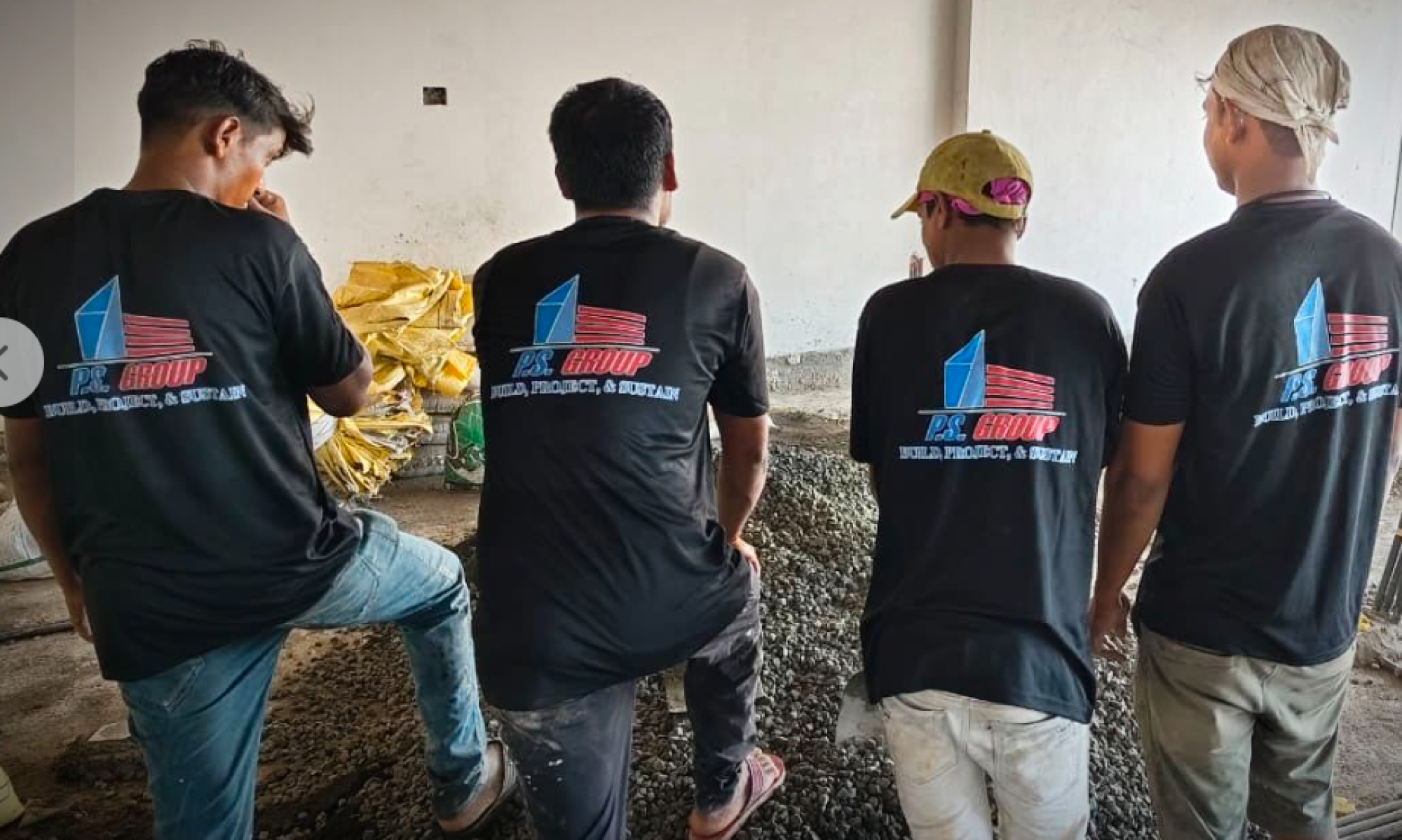
Post-Monsoon Building Inspection Checklist for Mumbai Housing Societies

Post-Monsoon Building Inspection Checklist for Mumbai Housing Societies

The monsoon has barely cleared and your building already shows the scars: damp patches on stairwell walls, hairline cracks that were not there in May, and a terrace that still has puddles three days after the last rain. By October, every Mumbai housing society secretary is staring at a list of damage that needs urgent attention before it gets worse.

PS Group (formerly PS Civil) has spent nearly two decades doing post-monsoon building assessments across Mumbai. The pattern is always the same: societies that inspect early and act fast spend less, while societies that wait until the next monsoon ends up doing emergency repairs at premium rates. This post monsoon building inspection checklist for Mumbai housing society committees covers every area you need to walk through, what to look for, and what to do next.

Why October Is the Month Every Society Must Inspect

Mumbai’s monsoon typically retreats by the second week of October. The rain stops, but the damage it left behind does not. Damp walls take weeks to dry out. Hairline cracks widen as trapped moisture expands and contracts. Concrete that absorbed water all season begins to spall. If you wait until November or December, the damage has already compounded and the repair scope is bigger.

Under the Maharashtra Cooperative Societies (CHS) Act, managing committees are responsible for maintaining the building’s structural integrity. A documented post-monsoon inspection is not just good practice, it is your legal duty. If a slab collapses or a chunk of plaster falls on someone, the committee cannot claim ignorance. An inspection report dated October is your proof that you took the duty seriously.

This is also the time to renew or negotiate your annual maintenance contract (AMC). Most AMCs run April to March, and the post-monsoon assessment tells you exactly what scope of work the AMC needs to cover for the rest of the year. If you want to understand what a proper waterproofing AMC should include, read our guide on who is responsible for waterproofing repairs in a Mumbai flat.

The Checklist: Walk Your Building Area by Area

Print this checklist, take a clipboard, and walk the building top to bottom. Bring your building manager or a trusted committee member. Photograph everything. Date the photos. This visual record becomes your evidence if you need to escalate a repair or dispute a flat owner’s claim later.

1. Terrace and Rooftop

The terrace takes the brunt of every monsoon. Walk it end to end and check:

  • Ponding water: Are there areas where water still sits 48 hours after rain? This means the slope has failed or the drainage outlets are blocked.
  • Membrane condition: Is the waterproofing membrane blistering, peeling, or cracked? Blistering means water has entered underneath.
  • Parapet walls: Any cracks, especially horizontal cracks at the joint between parapet and terrace slab? These are the most common entry point for terrace seepage.
  • Drainage outlets: Are the nahani traps clear? Lift the grates and check for debris, cement buildup, or root intrusion from rooftop plants.
  • Water tanks: Check the base of overhead tanks for cracks or seepage where the tank meets the terrace slab.

If the membrane is blistered or cracked, October is the ideal window to repair it. You have dry weather for proper surface preparation and curing. Our PS Waterproofing team handles terrace membrane repairs using materials meeting IS 2645 standards, and we always include a flood test before signing off. For more on why terrace waterproofing fails, read our earlier post on why terrace waterproofing fails in Mumbai before the first rain even hits.

2. External Walls and Facade

Stand across the road from your building and look up. Then walk the perimeter at ground level. You are looking for:

  • Plaster cracks and delamination: Any area where plaster is bulging, hollow-sounding, or has already fallen off. This is a safety hazard. A loose piece of plaster falling from the seventh floor can injure or kill.
  • Seepage streaks: Dark vertical lines down the wall, especially near window jambs and balcony projections. These indicate water has penetrated the external wall.
  • Paint peeling and efflorescence: White salt deposits on the wall surface mean water is moving through the wall and evaporating, leaving minerals behind.
  • Crack patterns: Vertical cracks are usually plaster shrinkage. Diagonal cracks near openings can indicate structural movement. Horizontal cracks at beam level need a structural engineer’s opinion.

If plaster has already fallen or is about to, barricade the area below immediately and notify residents. For the repair itself, see our guide on what to do when external plaster falls off your building, which covers the same process in reverse: assess, remove loose material, treat the substrate, re-plaster, and apply a protective coating.

3. Structural Elements: Columns, Beams, and Slabs

This is the section most committees skip, and it is the most dangerous one to ignore. Post-monsoon is when structural damage from water ingress becomes visible.

  • Spalling concrete: Look for rust stains, exposed reinforcement bars, and concrete that has flaked or popped off. Spalling happens when water reaches the steel inside RCC, the steel rusts, expands, and pushes the concrete out. It accelerates fast once it starts.
  • Cracks in RCC members: Any crack wider than 2mm in a column, beam, or slab needs professional assessment. Hairline cracks in plaster are normal. Cracks in structural concrete are not.
  • Ceiling sagging: In parking areas and common corridors, check for slabs that have deflected or show water dripping through. A slab that leaks after the monsoon has a waterproofing failure, a structural issue, or both.
  • Corrosion stains: Brown or orange streaks from beam bottoms or column joints mean the steel inside is already corroding.

If you spot spalling or exposed steel, do not paint over it. Do not patch it with cement and hope for the best. Spalling requires proper RCC repair: remove the loose concrete to sound substrate, treat the steel with anti-corrosive coating, apply bonding agent, and rebuild with polymer-modified mortar. Our PS Civil division specialises in this work. For a deeper understanding of why patch-and-paint fails, read our published post on why Mumbai building committees keep paying twice for the same repairs.

4. Basement, Podium, and Parking Areas

Basements and podium slabs are the most neglected areas in a post-monsoon inspection because most residents never go there. But this is where water damage hides and grows.

  • Standing water: Any water still pooling in basement corners or along parking ramps means the drainage system or sump pump has failed.
  • Damp walls: Efflorescence and dark patches on basement retaining walls mean groundwater is seeping through. This is a year-round problem that the monsoon makes worse.
  • Cracks in podium slabs: Check the underside of podium slabs for water stains, cracks, and dripping. Podium slab cracks let water through to parking areas below.
  • Rusting metal: Check steel railings, gates, and structural steel for accelerated corrosion. Monsoon humidity and salt air from the Arabian Sea make this worse in coastal areas like Bandra, Juhu, and Worli.

5. Inter-Flat Seepage and Common Area Damp

Walk through common corridors, stairwells, and the lift lobby. Check the ceiling of the ground floor lobby for water stains. Talk to residents who have filed complaints during the monsoon.

  • Stairwell walls: Damp patches, peeling paint, and fungus growth are signs of water ingress from the external wall or the terrace above.
  • Lift shaft: Water entering the lift pit damages lift components and creates a safety risk. Check for water marks inside the shaft.
  • Inter-flat walls: If residents reported bathroom leakage during the monsoon, those issues need to be diagnosed now. Do not assume the upstairs flat is at fault without proper investigation. Thermal imaging can find the actual source without breaking any tiles. Our PS Leak Detect division uses thermal cameras and moisture meters to map the water path before any repair work starts. Read more on this in our post about how to prove where water leakage comes from in a Mumbai flat.

6. Plumbing and Drainage

Monsoon flushes debris through every drainage line. Check for:

  • Blocked internal drains: Slow-draining sinks and bathroom floors in common areas indicate partial blockages that will back up during the next heavy rain.
  • Sewer line overflow: Any smell or staining near manhole covers in the compound.
  • Rainwater harvesting systems: Check filters, recharge pits, and storage tanks for silt buildup.
  • External drainage: Walk the compound perimeter and check that stormwater drains are clear and flowing toward the municipal connection.

7. Compound Wall and Gate Area

Do not skip the boundary. Compound walls take lateral pressure from waterlogged soil during the monsoon.

  • Leaning or cracked compound walls: Even a slight tilt is a warning sign. If the wall borders a road or municipal drain, report it immediately.
  • Gate pillars: Check for cracks at the base where the pillar meets the ground slab.
  • External plinth: Look for soil erosion around the building plinth. If the ground has washed away from the foundation edge, it needs to be refilled and compacted.

What to Do After the Inspection

Once you have completed the walk-through, do three things:

1. Categorise by urgency. Sort findings into three buckets: safety hazards (loose plaster, spalling concrete, structural cracks), active leaks (terrace seepage, inter-flat leakage, basement water), and cosmetic or minor issues (paint peeling, small cracks, efflorescence). Safety hazards get fixed first, no exceptions.

2. Get a professional assessment for anything structural. A committee member with a clipboard is not a substitute for a structural engineer. If you found spalling, wide cracks, or deflected slabs, call in a professional. PS Group offers post-monsoon building assessments that include thermal imaging moisture mapping, visual structural inspection, and a written report with prioritised recommendations. You can see examples of our building assessment work in our project gallery.

3. Plan the repair window. October to February is the best time for civil and waterproofing work in Mumbai. The weather is dry, humidity drops, and materials cure properly. If you wait until March or April, you are racing the pre-monsoon clock and paying rush rates. For societies considering renovation work alongside repairs, our PS Design Studio team coordinates civil repairs with interior work so you fix the structural problems before you spend money on finishes. Read our published post on how long to wait before repairing damp walls after monsoon for the timeline on interior work.

Common Mistakes Mumbai Societies Make After the Monsoon

Ignoring hairline cracks. A crack that is 1mm today will be 3mm by next monsoon. Water enters, freezes in the dry season (yes, even Mumbai’s mild winter causes thermal cycling), and widens the crack. Note every crack in your inspection report and monitor it.

Patching spalling with plain cement. This is the most common false economy in Mumbai building maintenance. You cover the rusted steel with cement, it looks fine for three months, and then the spalling returns worse because the steel kept corroding underneath. Proper RCC repair costs more upfront but it lasts.

Not documenting the inspection. If your committee changes next year and nobody can find the inspection report, you start from zero every October. Keep a shared file with dated photos, a checklist with findings, and repair invoices. This is your building’s health record.

Assuming the upstairs flat caused the leakage. We see this constantly. A flat owner complains about a wet ceiling, the society blames the upstairs neighbour, and both sides fight for months. Meanwhile, the actual source is a cracked external wall pipe or a failed terrace waterproofing membrane. Thermal imaging resolves this in hours. We have covered this in detail in our PS Leak Detect service page.

Free Resources for Mumbai Societies

PS Group shares ongoing building maintenance tips on our YouTube channel, where we post videos on waterproofing methods, leak detection processes, and civil repair techniques. You can also follow us on Instagram for before-and-after project photos and on Facebook for updates. Our founder, Sanjay Parmar, shares industry insights on LinkedIn that are useful for committee members making repair decisions.

Ready to Schedule Your Post-Monsoon Assessment?

If your committee has completed this checklist and found damage, or if you want a professional team to walk your building with thermal imaging cameras and structural expertise, PS Group can help. We have completed over 2,000 projects across Mumbai since 2007, from small society terrace repairs to full structural retrofits.

Call us at +91 97684 16600 or message us directly on WhatsApp to schedule a site visit. You can also request a quote through our contact page. The post-monsoon window is open now. Use it before the next monsoon closes it.

#PostMonsoonInspection #BuildingInspectionMumbai #HousingSocietyMumbai #MumbaiMonsoon #MonsoonPrep #BuildingMaintenance #StructuralRepairMumbai #WaterproofingMumbai #LeakDetectionMumbai #SpallingConcrete #RCCRepair #CivilRepairMumbai #MumbaiSociety #CooperativeSociety #TerraceWaterproofing #SeepageSolution #BuildingHealth #PSGroup #PSCivil #PSWaterproofing #PSLeakDetect #PSDesignStudio #MumbaiBuildingRepair #PostMonsoonChecklist

What Is RCC Jacketing and When Does a Mumbai Building Need It After a Structural Audit?

Your structural audit report says “RCC jacketing recommended” on three columns and you are wondering whether that is a suggestion or a warning you cannot afford to ignore.

If your Mumbai housing society has completed a structural audit recently, there is a good chance the engineer flagged certain columns or beams for jacketing. The term sounds technical, but the concept is straightforward. Let us break down what RCC jacketing actually is, when your building needs it, and how it is different from the plaster repair your annual contractor does every few years.

## What Is RCC Jacketing?

RCC jacketing is a structural retrofitting technique where a new layer of reinforced concrete is wrapped around an existing column, beam, or slab to restore or increase its load-bearing capacity.

Think of it like putting a steel-and-concrete jacket over a weakened pillar. The original column stays in place. The new jacket bonds to it with steel reinforcement bars and a bonding agent, and together they carry more load than the original column could manage alone.

This is not cosmetic work. A jacketed column is stronger, more resistant to seismic forces, and better equipped to handle the continuous vibration Mumbai buildings face from traffic, monsoon water ingress, and age-related deterioration.

A structural member that has lost 20 to 30 per cent of its original capacity due to corrosion or cracking can often be restored to full strength with proper jacketing. That is why structural engineers recommend it instead of partial demolition when the core structure is still salvageable.

## When Does a Mumbai Building Need RCC Jacketing?

A structural audit is the trigger. Under bye-law No. 76(a) of the Maharashtra Cooperative Housing Societies Model Bye-laws, buildings aged 15 to 30 years must undergo a structural audit once every five years. Buildings older than 30 years need one every three years. BMC rules reinforce this for buildings within municipal limits.

The structural auditor assesses every column, beam, and slab, then classifies them based on distress levels. Here is when jacketing typically comes into the picture:

**Corrosion of reinforcement steel.** Chloride from salt-laden coastal air penetrates the concrete cover and rusts the steel inside columns. Mumbai sits next to the Arabian Sea, which makes this worse than in inland cities. The steel expands, cracks the concrete from inside, and weakens the column. The audit report will flag this as a candidate for jacketing.

**Spalling concrete on structural members.** If concrete is falling off columns or beams and exposing the steel underneath, that is not a plaster problem. It is a structural problem. Plastering over it hides the damage while the steel keeps corroding underneath.

**Post-monsoon cracking.** After a heavy monsoon, if your audit reveals diagonal cracks in columns or widened cracks in load-bearing beams, the engineer may recommend jacketing to prevent further deterioration. September and October are when many Mumbai societies commission these audits because monsoon damage is fresh and visible.

**Load-bearing capacity reduced by water damage.** Prolonged seepage from terrace or bathroom leaks can corrode the steel inside RCC members. The structural audit will identify which members have lost capacity and need jacketing.

## RCC Jacketing Is Not Plaster Repair

This is the part where many societies get it wrong.

Your annual repair contractor says “I will fix the column, just apply some cement plaster and it will look new.” That is like painting over a cracked bone and calling it healed.

Plaster repair addresses the surface. RCC jacketing addresses the structure.

When concrete spalls and steel is exposed, the column has already lost part of its load-bearing capacity. Plastering or applying polymer-modified mortar over the damaged area without new steel reinforcement does nothing to restore structural integrity. It just makes the column look better for a few months until the next monsoon washes the plaster off and the corrosion underneath has spread further.

A proper RCC jacketing job involves new steel reinforcement, bonding agents, and concrete that meets structural specifications. It requires a licensed structural engineer to design the jacket and a contractor who understands retrofitting, not just surface repair.

If your audit report mentions “section loss” or “corrosion of main reinforcement” or “cover concrete damaged,” those words mean jacketing, not plaster.

## What the Process Looks Like on Site

RCC jacketing is not a one-day job done with a bag of cement. Here is what a proper process looks like when PS Group (formerly PS Civil) executes it:

1. **Structural engineer’s design.** The engineer specifies bar diameter, spacing, jacket thickness, and concrete grade based on audit findings. Every jacketed member needs a design, not guesswork.
2. **Surface preparation.** The damaged concrete is chipped away to expose sound concrete and the existing steel. Corroded bars are cleaned or supplemented with new bars, then a steel reinforcement cage is erected around the existing member.
3. **Pouring and curing.** Shuttering is fixed around the cage and self-compacting concrete or non-shrink grout (materials meeting IS 2645 standards) is poured. The member is cured properly before loading.

At PS Civil, structural repair projects are supervised by experienced engineers and executed with materials meeting IS 2645 and IS 456 standards.

## What the Law Says About Your Society’s Responsibility

Under bye-law No. 77 of the Maharashtra Cooperative Housing Societies Model Bye-laws, the managing committee is responsible for carrying out major structural repairs, including RCC jacketing, whenever the structural audit recommends it. Failing to act on a structural audit recommendation is not just negligence. If a building incident occurs and the audit had already flagged the need for jacketing, managing committee members can be held personally liable.

These are society fund expenses, not individual flat owner costs. If your building is within BMC limits, the BMC can also issue notices under Section 353B of the Mumbai Municipal Corporation Act directing the society to carry out structural repairs within a specified timeframe.

## What Your Society Should Do Next

If your structural audit mentions RCC jacketing or column and beam strengthening, here is the sequence:

1. Do not hand it to your annual painting and plaster contractor. RCC jacketing is a structural repair, not a cosmetic one.
2. Get a detailed jacketing scope from a licensed structural engineer, not just a contractor estimate.
3. Check whether the audit also recommended waterproofing before the jacketing work. If water seepage caused the corrosion, fixing the source is essential before you jacket the column, or the new concrete will corrode too.

At PS Group, our team handles both structural retrofitting and waterproofing, so the root cause and the structural damage get fixed together. If your building has completed a structural audit and needs help understanding the recommendations, you can get in touch for a site visit or message us directly on WhatsApp.

You can also see some of our structural repair and retrofitting work on our YouTube channel or follow us on Instagram for before-and-after project photos. We also share project updates on Facebook.

#RCCJacketing #StructuralAuditMumbai #MumbaiBuildingRepair #SpallingConcrete #StructuralRetrofitting #HousingSocietyMumbai #CooperativeSociety #RCCRepair #BuildingMaintenance #MumbaiMonsoon #PSGroup #PSCivil #PSWaterproofing #PSLeakDetect #CivilEngineeringMumbai #StructuralCrack #BuildingSafetyMumbai #SocietyRepairs #CooperativeHousingSocieties #MonsoonPrep

What Should a Mumbai Society Check After Three Weeks of Heavy Monsoon Rain?

What Should a Mumbai Society Check After Three Weeks of Heavy Monsoon Rain?

Heavy monsoon rain can turn a small crack, loose plaster patch, or blocked drain into a safety problem for the whole building.

For a Mumbai housing society, a proper Mumbai housing society building inspection after heavy monsoon rain checklist should go beyond looking for fresh dampness inside flats. The managing committee should inspect the outside walls, RCC members, terrace edges, parking areas, drainage points, and records of complaints before the next round of rain exposes the same weakness again.

Start with the facade and external plaster

Walk around the building from the ground and inspect every elevation, especially the windward sides that receive rain and salt-laden air from the coast. Look for hollow-sounding plaster, bulging patches, open cracks, rust stains, exposed reinforcement, and pieces of plaster that have fallen near entrances or parking areas.

Do not allow residents or untrained workers to chip away at loose concrete from balconies or external ledges. Barricade the area if there is an immediate falling-object risk, take photographs, and arrange a professional inspection. A patch that looks cosmetic from the ground may be connected to corrosion inside the RCC member.

PS Group (formerly PS Civil) carries out civil repair and building maintenance work through its PS Civil division. The useful first step is a written condition assessment that separates urgent safety work from repairs that can be planned with the society’s annual maintenance budget.

Check RCC members for corrosion and spalling

Inspect visible beams, columns, chajjas, balcony slabs, staircase areas, and the underside of parking slabs. Warning signs include rust marks, peeling concrete, diagonal cracks, damp reinforcement, and concrete that sounds hollow when assessed by a professional.

Water entering through cracks or failed protective cover can corrode the steel inside concrete. As the steel expands, it pushes the surrounding concrete outward. This is why simply applying putty or painting over a rust stain usually gives the society a short-lived improvement rather than a repair.

Ask the engineer or civil repair contractor to explain the repair method in plain language. The scope should state how loose concrete will be removed, how reinforcement will be treated, how the repaired section will be rebuilt, and how water entry will be reduced. If the damage is extensive or appears to affect a structural member, obtain the appropriate structural opinion before starting work.

Inspect terrace edges, parapets, and rainwater outlets

After sustained rain, terrace inspection should include more than checking whether the ceiling below is wet. Examine parapet junctions, pipe outlets, upstands, expansion joints, protective screed, and places where debris has collected.

Pay attention to standing water. It may point to a blocked outlet, inadequate slope, settlement, or a failed waterproofing layer. Check whether rainwater is flowing back towards staircases, lift-machine-room approaches, electrical areas, or neighbouring properties.

Do not drill into a terrace or start a new coating before the cause is identified. The society should record the location of each ponding area, photograph it after rain, and ask for a method statement that includes surface preparation, crack treatment, detailing at outlets, and a proper water test where appropriate. For terrace and other wet-area work, the PS Waterproofing team can assess whether the issue is a waterproofing failure, a drainage problem, or both.

Review basements, parking, and drainage paths

Basement and stilt parking areas often reveal water-entry routes that are missed during a quick terrace visit. Look for active drips, damp retaining walls, salt deposits, cracks at wall-floor junctions, pump-room seepage, and water collecting around ramps.

Inspect storm-water gratings, drain covers, downpipes, and the path from the building to the municipal connection. Leaves, silt, construction debris, and discarded packaging can reduce the capacity of a drain just when the cloudburst is strongest. The society should also check whether pumps have power backup, whether float switches work, and whether staff know whom to call if water rises quickly.

Where water is appearing inside a flat but the source is unclear, avoid assigning blame based only on the location of the stain. A leak detection inspection can help distinguish plumbing leakage, terrace ingress, facade seepage, and inter-flat leakage before tiles or plaster are unnecessarily opened.

Keep a post-monsoon record for the society

Every complaint should be logged with the flat or common-area location, date, photographs, weather conditions, and whether the dampness is active or old. Add inspection findings to the society’s maintenance file along with contractor scopes, invoices, warranties, test reports, and completion photographs.

This record helps the committee compare recurring problems, plan repairs before the next monsoon, and explain decisions to residents. It is also useful when discussing responsibilities under the society’s bye-laws, or when an issue involves a neighbouring property, a developer’s obligations, or a BMC-related drainage concern. Keep communication factual and avoid promising a permanent solution before the source and repair method are confirmed.

For a broader view of PS Group’s civil repair, waterproofing, leak detection, and design work, visit the About PS Group page. The team also shares practical site and repair updates on LinkedIn.

What the committee should do this week

  1. Mark and photograph every active leak, falling-plaster risk, crack, and ponding area.
  2. Clear and test rainwater outlets, drains, pumps, and vulnerable electrical areas.
  3. Get a written inspection and repair scope before approving civil or waterproofing work.
  4. Prioritise immediate safety hazards, then plan the remaining repairs with proper records.

If your building has developed fresh cracks, spalling, facade damage, or recurring dampness after Mumbai’s monsoon rain, request a site assessment through the PS Group contact page or message the team directly on WhatsApp. A clear diagnosis and written scope will help the managing committee act before a maintenance complaint becomes an emergency.

#PSCivil #PSGroup #PSCivilRepairs #CivilRepairMumbai #BuildingInspectionMumbai #HousingSocietyMumbai #CooperativeSociety #SocietyMaintenance #MumbaiMonsoon #MonsoonPrep #BuildingMaintenance #RCCRepair #SpallingConcrete #FacadeRepair #ExternalPlasterRepair #WaterproofingMumbai #WaterLeakage #FlatOwnerMumbai

RCC Repair vs Patch and Paint: Why Mumbai Building Committees Keep Paying Twice

Your building’s concrete columns or beams are spalling — the surface is crumbling and rebar is showing. Your contractor quotes you two options: patch it and paint it, or do proper RCC repair.

The patch option is cheaper. Most Mumbai society committees choose it. Then, 18 months later, the patch is cracking again and they are back to square one, having spent twice.

Here is why patches fail, and what proper RCC repair actually requires.

What Is Spalling and Why It Happens

Spalling is the breakdown of the concrete surface layer. The concrete is crumbling away in flakes or chunks, exposing the reinforcement steel (rebar) beneath.

In Mumbai buildings, spalling happens because of three overlapping causes:

**Rebar corrosion.** Water and chlorides (from sea air) reach the steel and trigger oxidation. As steel rusts, it expands — about 3–4 times the original volume. This expansion pressure forces the surrounding concrete to crack and spall away.

**Carbonation of the concrete.** Over 15+ years, atmospheric COâ‚‚ penetrates the concrete surface and reacts with the calcium hydroxide binder, reducing the concrete’s alkalinity and its ability to protect rebar. This process accelerates in the warm, humid Mumbai climate.

**Freeze-thaw cycles and salt crystallisation.** While Mumbai does not freeze, the coastal salt-laden air creates a similar effect. Chloride crystals form inside the concrete pores and expand, fragmenting the surface layer.

Once spalling starts, it accelerates. Exposed rebar corrodes faster because it has direct contact with water and air. The corrosion pushes more concrete away. Within 2–3 years, a small spalled area can double in size.

Why “Patch and Paint” Always Fails

A patch-and-paint repair involves:
1. Hacking away the loose spalling concrete
2. Applying a new thin layer of cement plaster over the exposed rebar
3. Painting it

This approach fails because it does not address the root cause — the corroding rebar.

When you patch over corroding rebar without treating it first, the corrosion continues underneath the new plaster. The rebar expands further. The patch fractures and falls away. You are back where you started.

Additionally, the new plaster patch and the surrounding old concrete have different thermal expansion rates. In Mumbai’s daily heat cycles — cool mornings warming to 35°C+ afternoons — the patch and the substrate expand at different rates, creating stress at the boundary. Hairline cracks develop at the patch edge within weeks.

Within 18 months, the patch is cracking, and the committee is calling contractors again. This time, the cost is higher because the deterioration has progressed further.

A patch is not a repair. It is a temporary cover that costs the full repair cost upfront and guarantees you will pay again.

What Proper RCC Repair Requires

Structural RCC repair means treating the corroded rebar, repairing the concrete loss, and restoring structural strength. The sequence matters:

**Step 1: Remove all deteriorated concrete.** This means hacking away not just the visibly spalled material, but all concrete that is not structurally sound. A structural engineer determines the extent — sometimes this is deeper than it appears.

**Step 2: Clean and treat the exposed rebar.** The steel must be cleaned down to bare metal using wire brushing or light sandblasting. Once clean, a rebar passivation product is applied. This product seals the steel surface and re-establishes the electrochemical barrier that prevents future corrosion.

**Step 3: Apply concrete repair mortar.** Using polymer-modified concrete repair mortar (not ordinary cement plaster), the cavity is filled in layers with proper compaction and curing between layers. Repair mortar has higher bond strength and lower permeability than ordinary plaster.

**Step 4: Apply a protective coating.** Once the repair mortar cures, a waterproof elastomeric coating is applied over the repair and surrounding area. This is the critical step that prevents water re-entry.

**Step 5: Structural monitoring.** For significant repairs on load-bearing elements, deflection or stress monitoring may be specified by the structural engineer to ensure the repaired element performs as intended.

This entire process takes 4–6 weeks for proper curing between steps. It cannot be rushed.

The Cost Difference — And Why It Matters

A patch-and-paint job looks cheaper on the quotation. It is faster and uses cheaper materials.

A proper RCC repair costs more upfront because:
– Skilled labour is required (not general painters)
– Structural assessment is included
– Rebar treatment products are costly but essential
– Polymer-modified repair mortars are more expensive than cement plaster
– Protective coatings add to the cost
– Proper curing time delays the project

But here is the maths that Mumbai committees miss:

If a patch costs Rs X and fails in 18 months, and a proper repair costs 1.5X and lasts 15+ years, the patch actually costs **10 times more per year of service life**.

Patch now = pay again in 1.5 years = pay again in another 1.5 years = pay three times over 4.5 years.

Proper repair now = not paying again for 15 years.

How Society Committees Should Approach RCC Repair

When spalling is identified on a load-bearing structural element (columns, beams, slabs), the managing committee should:

**One — Commission a structural engineer’s assessment.** Not a contractor’s opinion — a structural engineer. The assessment determines the extent of repair needed and whether the structural integrity of the element is compromised.

**Two — Get the structural engineer’s repair specification.** Do not ask contractors to decide what repair method to use. The engineer specifies it. Contractors then quote against that specification.

**Three — Obtain multiple quotations against the engineer’s specification.** Comparing quotes on the same clearly defined scope prevents the “cheaper option” trap. All contractors are using the same materials and method, so the quotes are genuinely comparable.

**Four — Pass a general body resolution.** Structural repairs often exceed committee authority limits. A resolution in a general body meeting ensures member approval and transparency.

**Five — Include monitoring and warranty.** Require the contractor to provide a 5+ year warranty on the repair, and specify that deflection or corrosion monitoring will be done post-repair to confirm the structure is performing as designed.

Watch PS Group’s RCC repair work across Mumbai housing societies on the PS Group YouTube channel. See completed structural repair projects in the PS Group gallery.

For a structural assessment of spalling concrete anywhere in Mumbai or MMR, contact PS Group — PS Civil division. Call +91 97684 16600 or WhatsApp for a site visit. Connect with Sanjay Parmar on LinkedIn for larger project collaborations. For waterproofing that works alongside structural repair, see pscivil.com/waterproofing.

#RCCRepairMumbai #StructuralRepairMumbai #SpallingConcrete #HousingSocietyMumbai #BuildingMaintenance #PSGroup #PSCivil #ConcreteDamage #MumbaiBuilding #CooperativeSociety #ManagingCommitteeMumbai #StructuralDamage #PreMonsoon #PostMonsoon #BuildingRepair #PSGroupMumbai #PSCivilMumbai #StructuralEngineer #WaterproofingMumbai #CivilRepair

Spalling Concrete in Your Mumbai Building: What It Is, Why It Happens, and What It Costs to Fix

Chunks of concrete are flaking off the pillars, beams, or external walls of your building. This is called spalling — and it is not just a cosmetic problem. It is a structural deterioration that accelerates over time.

Understanding what is happening and fixing it now prevents lakhs in repair costs later.

What Is Spalling Concrete

Spalling is the breaking away or flaking off of layers of concrete from the surface inward. The concrete loses its bond to the reinforcing steel beneath and begins to fracture and shed material.

It typically starts small — a patch the size of your palm — but if left unchecked, it spreads and deepens. Within a year or two, an area of spalling that was initially a centimetre deep can become 5–10 centimetres deep, exposing rebar and creating a structural weakness.

Why Does Concrete Spall in Mumbai Buildings

Spalling happens when one or more of three conditions are met:

Corrosion of reinforcing steel. Water and chlorides penetrate the concrete pores and reach the rebar. The steel oxidizes, expanding as it rusts. This expansion creates internal pressure that fractures the concrete around it from within, causing the surface to spall.

Freeze-thaw cycles. While Mumbai’s climate does not have true winter freezing, buildings in high-altitude areas and near coastal salt spray experience the freeze-thaw effect through salt crystallisation cycles — water with dissolved salts enters the concrete, then evaporates, leaving salt crystals that expand and contract with temperature and humidity changes.

Chemical attack from marine environments. Buildings within 500m of the sea in Worli, Mahim, Bandra, Juhu, and Colaba are in the “marine splash zone.” Airborne chlorides from seawater penetrate concrete continuously. Over 15–20 years, this leads to widespread rebar corrosion and spalling across large areas of the structure.

How to Identify Early-Stage Spalling

Before large chunks fall off, spalling announces itself:

— Small flakes or powder coming away from concrete surfaces
— Rust staining on the concrete surface (the rebar is bleeding through)
— Hairline cracks radiating around a patch (the concrete is fracturing around corroding steel)
— Hollow sounds when you tap the concrete (the bond between layers is already failing)

If you see any of these on pillars, beams, or external walls, spalling is underway. The time to repair is when the affected area is still small — 200–400 sq cm. Once it exceeds 1000 sq cm, repair becomes significantly more complex and expensive.

The Repair Sequence for Spalled Concrete

Patching spalled areas with fresh concrete rarely works. The new concrete and old concrete expand at different rates, and the underlying rebar — if it is corroded — continues to rust and push the repair off.

The correct sequence:

1. Remove all spalled and deteriorated concrete back to sound, solid material — typically 50–100mm deeper than the visible spalling. This is more aggressive than it looks, but it is necessary.

2. Assess and treat the rebar. If rebar is exposed and rusted, wire-brush it to remove loose rust. For moderate to heavy corrosion, apply a corrosion inhibitor or passivating coating that chemically stops further oxidation.

3. Apply a concrete repair mortar or microcement that has a similar expansion rate to the original concrete and forms a strong bond. Two-part epoxy or polyester repair mortars are commonly used for their high strength and chloride resistance.

4. Cure properly. Concrete repairs need time and moisture control. Rushing to re-expose the repaired area to water or load before curing is complete causes the repair to fail prematurely.

5. Protect the repair with a waterproof coating — either a cementitious waterproofing or an elastomeric membrane — to prevent water re-entry and further corrosion.

Is Spalling a Structural Concern

It depends on the location and extent:

— Spalling on a non-structural façade panel: primarily aesthetic, but indicates moisture is entering the building.
— Spalling on a structural column or beam: yes, this reduces the cross-sectional area of the structural member and its load-carrying capacity. Large or deep spalling on primary structural elements requires professional structural assessment and engineer-designed repairs.
— Spalling at construction joints or around utilities: often indicates water is concentrated at that point, signalling a waterproofing failure in the broader structure.

Any spalling deeper than 50mm or wider than 1 metre should be assessed by a structural engineer before repair.

Why Pre-Monsoon Repair Matters in Mumbai

Spalling accelerates dramatically during monsoon when concrete is continuously wet and water pressure forces chloride solutions deeper into the structure. A small spall in May becomes a large one by September if left unrepaired.

Getting ahead of spalling before the rains arrive — even with interim repairs if full repairs cannot be completed before June — prevents exponential deterioration.

Watch PS Group’s spalling concrete repair work on the PS Group YouTube channel. See completed repair projects in the PS Group gallery.

For a structural assessment of spalling on your Mumbai building, call +91 97684 16600 or WhatsApp PS Group. Full civil repair details at pscivil.com/civil. Where waterproofing of structural surfaces is needed alongside repair, see pscivil.com/waterproofing.

#SpallingConcrete #StructuralRepair #MumbaiBuilding #HousingSocietyMumbai #ConcreteDamage #RustingRebar #BuildingMaintenance #PSCivil #PSGroup #PreMonsoon #MumbaiMonsoon #CorrosionRepair #CivilRepairMumbai #BeamRepair #ColumnRepair #PSGroupMumbai #PSCivilMumbai #ManagingCommitteeMumbai #StructuralDamage #BuildingRepair

Create your own website, free on WordPress.com.Create your own website.
Start free